
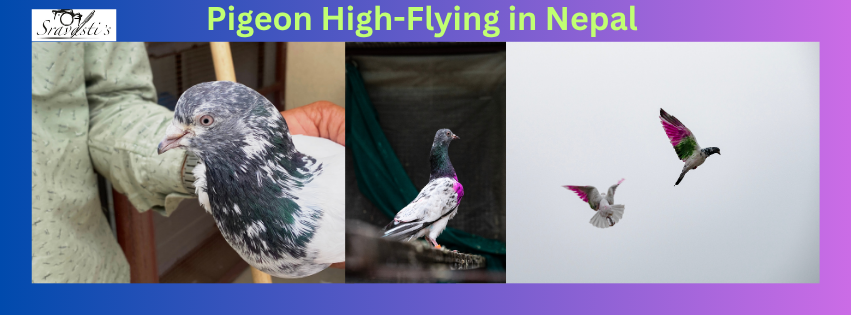
Inside the fascinating world of high-flying and racing pigeons in Nepal and India
Pigeon high-fliers and racers in Nepal and India still reminisce about Sardar Dalbir Singh with admiration.
Legend has it that after losing his entire family in riots during the partition of India, Sardar Dalbir Singh Sandhu crossed the Indo-Pak border into India with only 8-10 prized pigeons in a cage. Eventually, he settled in Rampur and became known for his excellent pigeon-breeding, flying, and racing skills. Among veteran pigeon breeders across the Indian subcontinent, the ‘Ustad Dalbir Singh wale Chuhe and Tuniya kabutar’ bloodline continues to command respect.
Stories like this show why pigeon flying in Nepal is more than just a hobby for many enthusiasts.
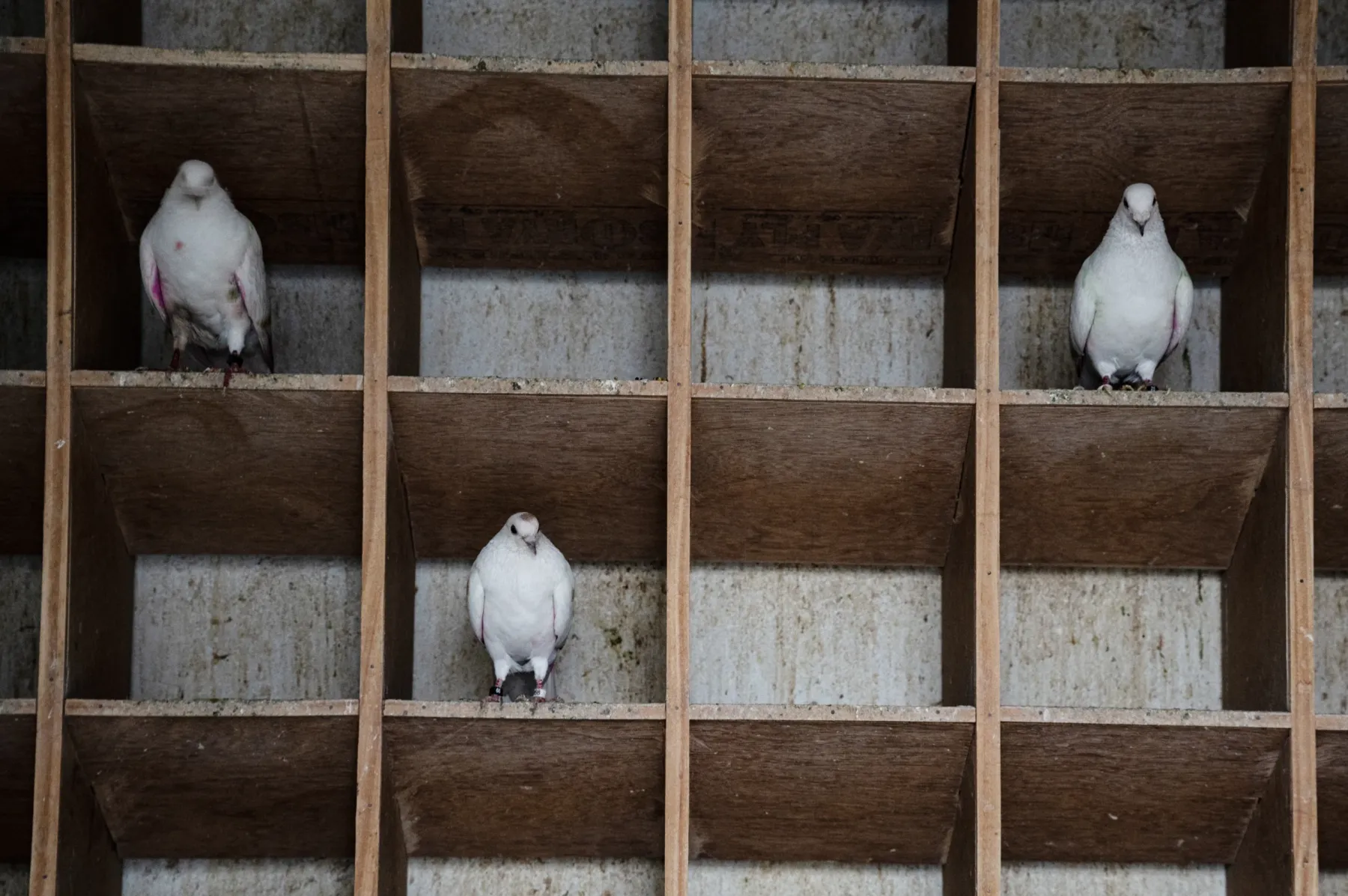
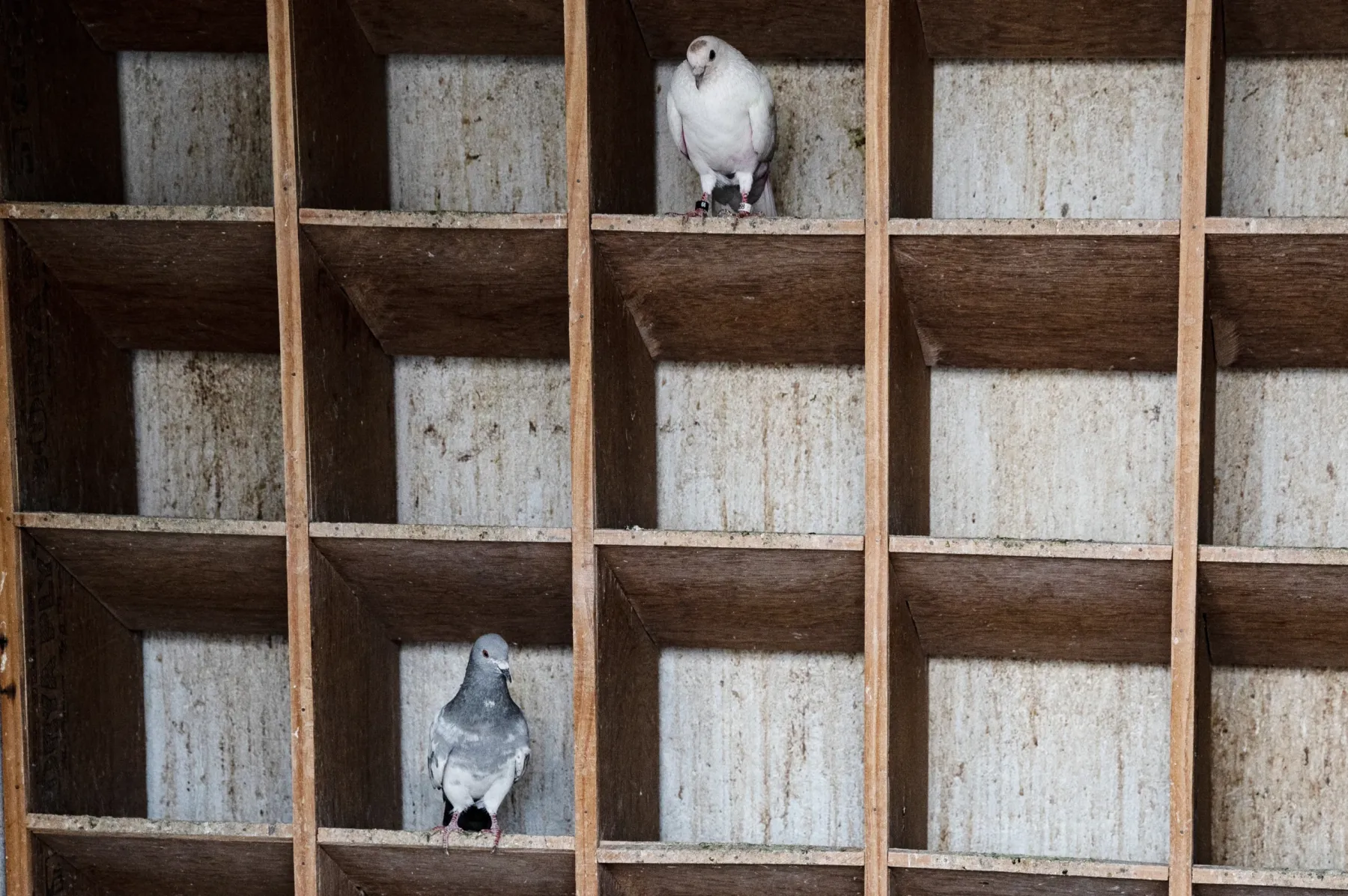
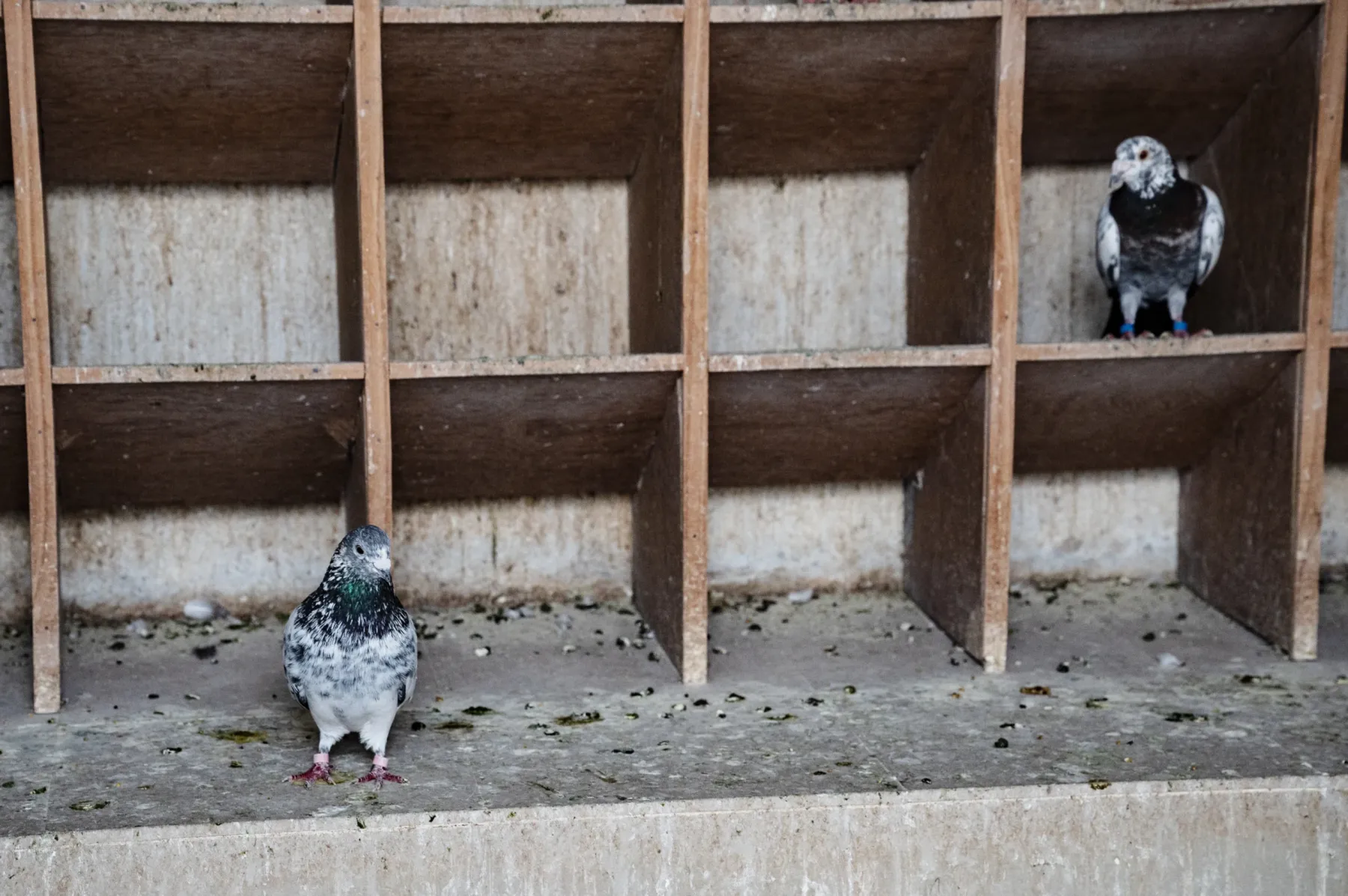
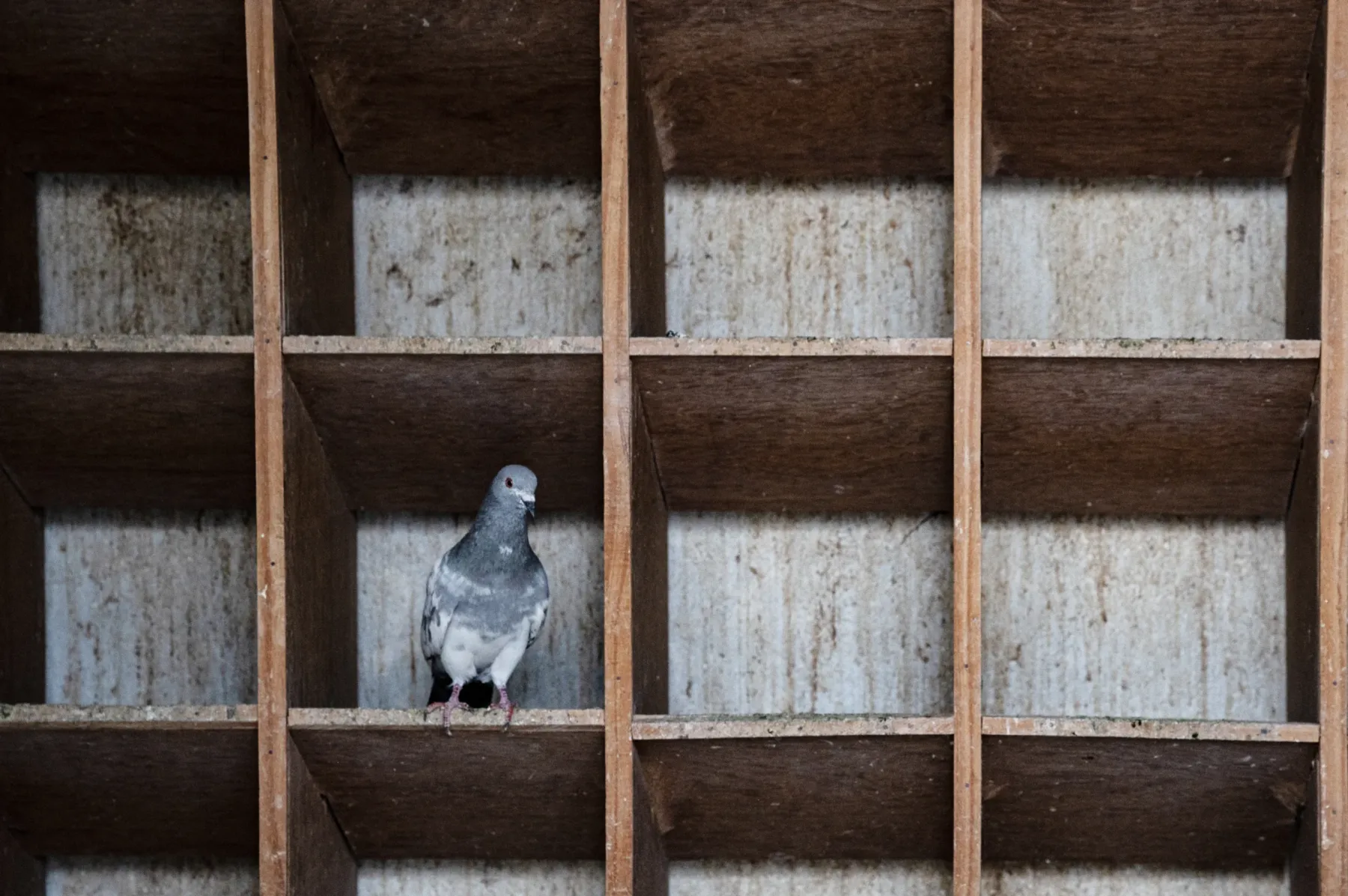
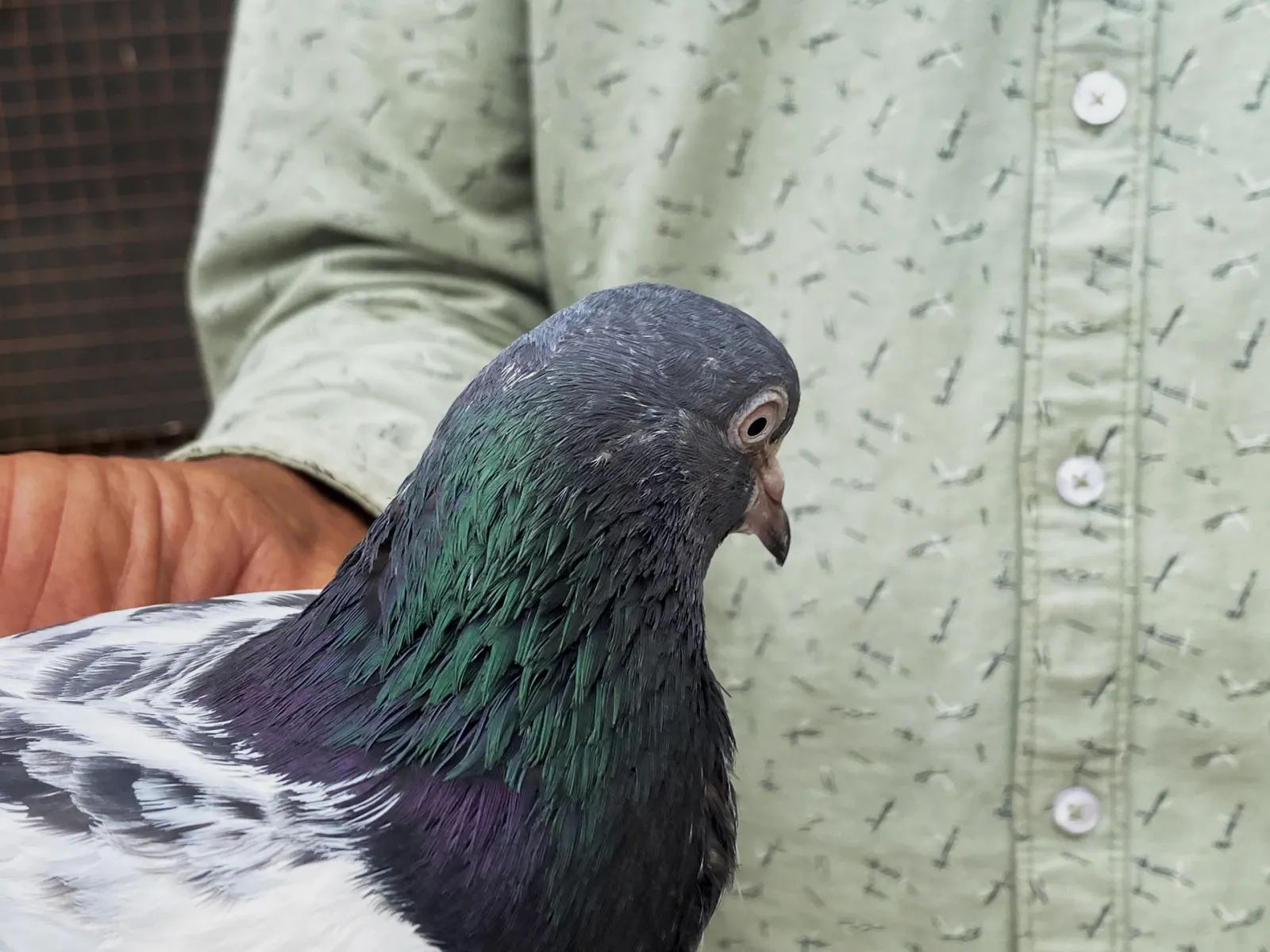
Across Kathmandu’s congested bylanes and crowded terraces, exists a world built on patience and a quiet belief in a bird’s ability to return home. Though wary of one another, pigeons and cats share a common trait – they almost always return home. Even now, no one fully understands how they find their way home. Some call it instinct. Others call it loyalty. The owners and trainers have a close relationship with these birds. Endurance, orientation, memory, and emotional attachment to its loft – all combine to make a successful high-flying pigeon (also known as a homing pigeon). Owners and trainers must also build a trustworthy bond.
Meet a Passionate Pigeon Trainer
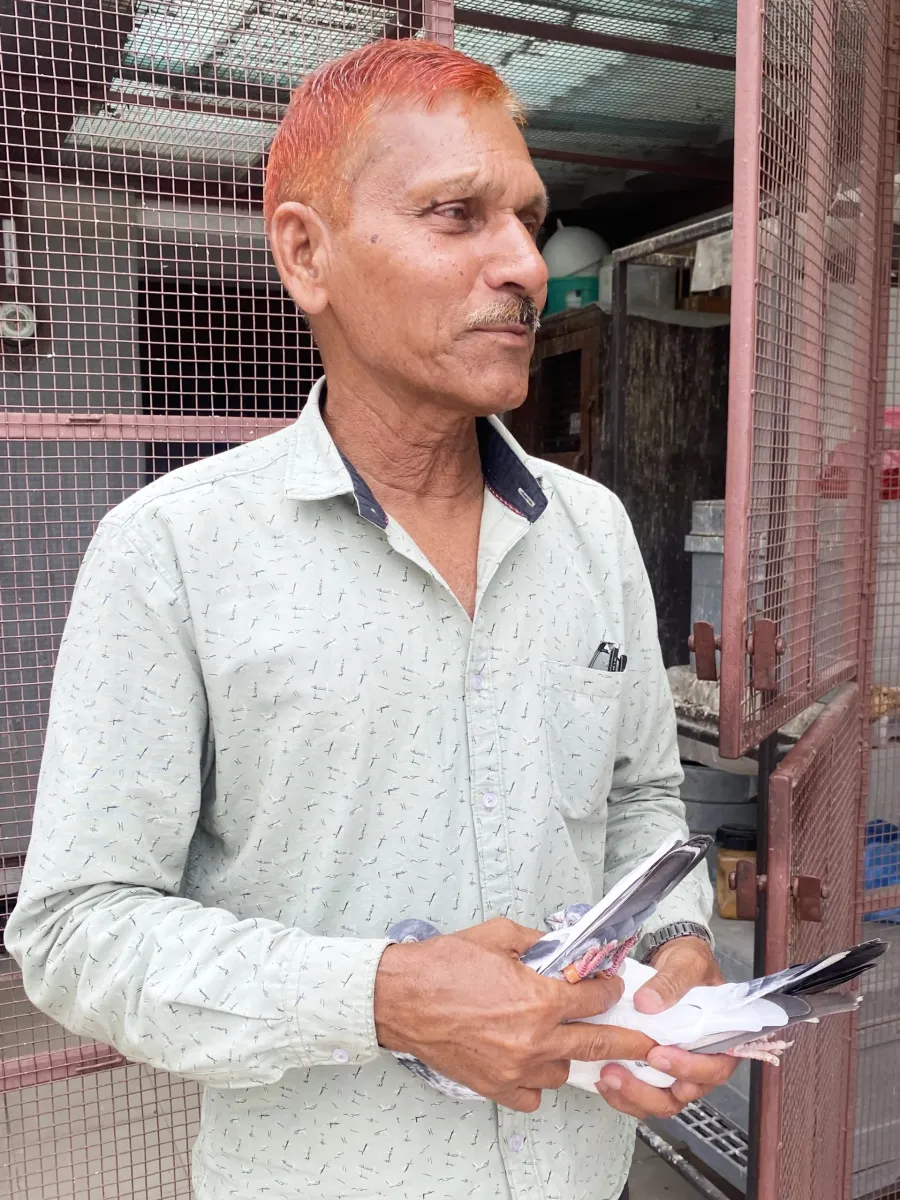
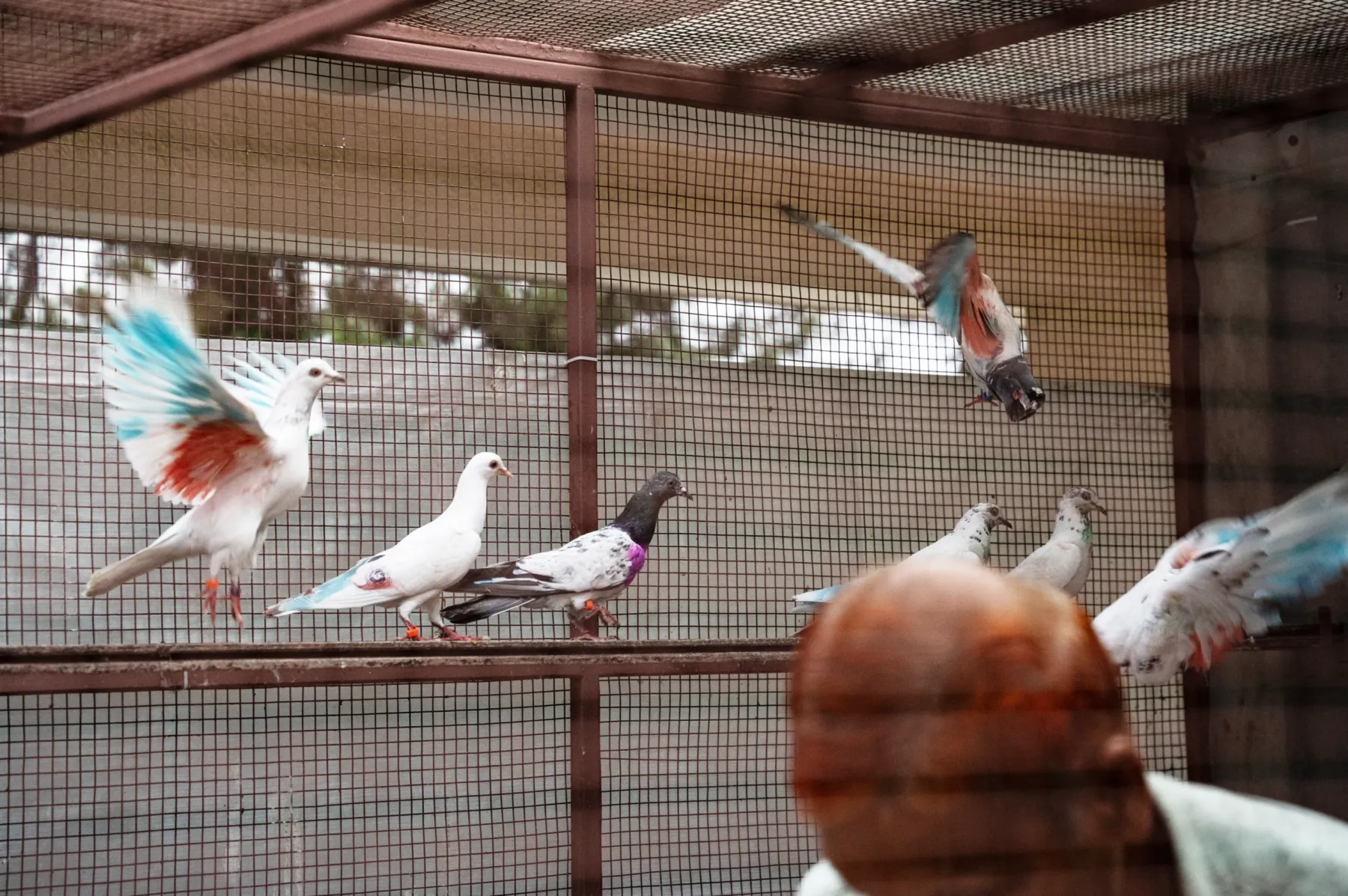
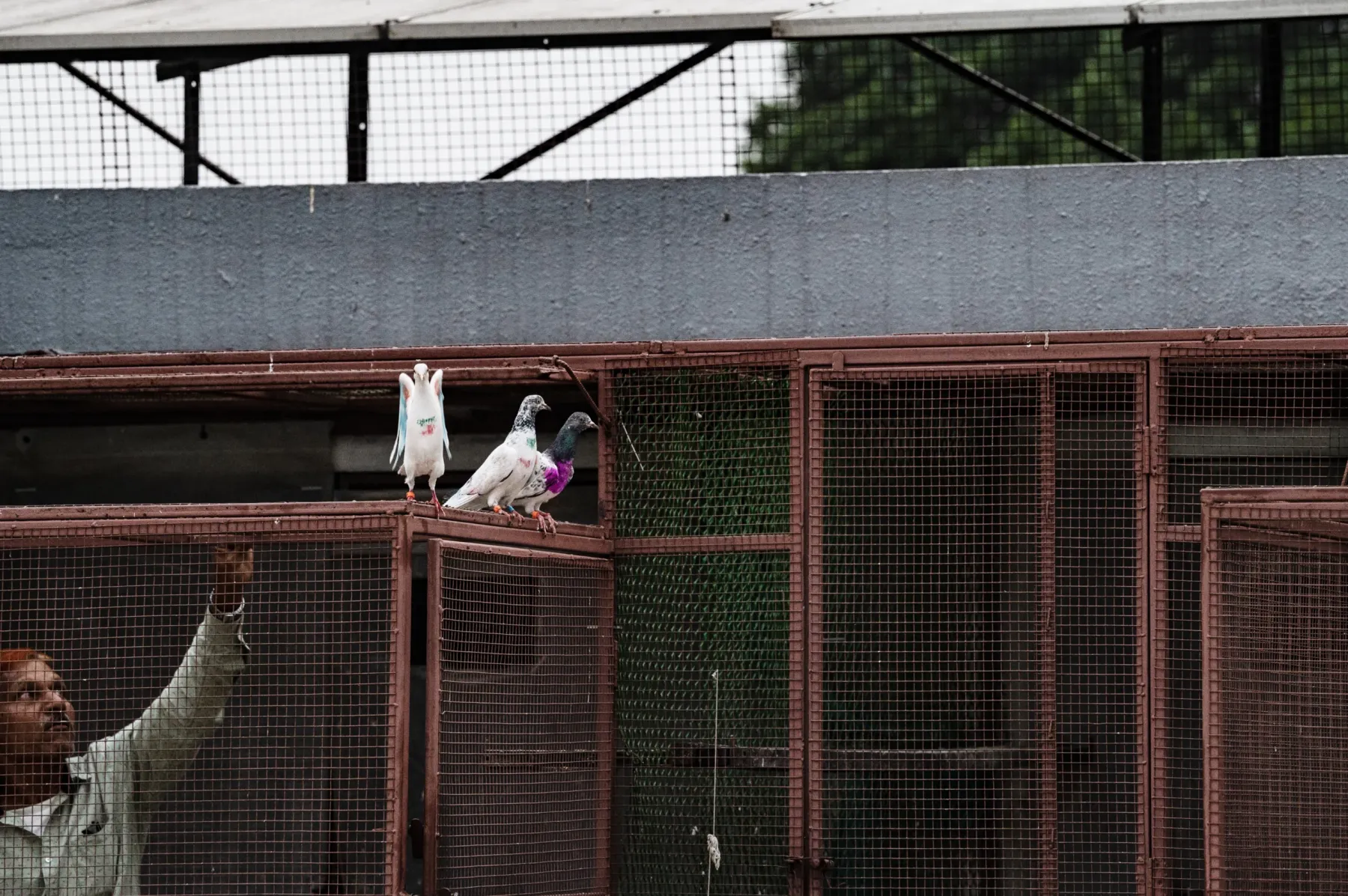
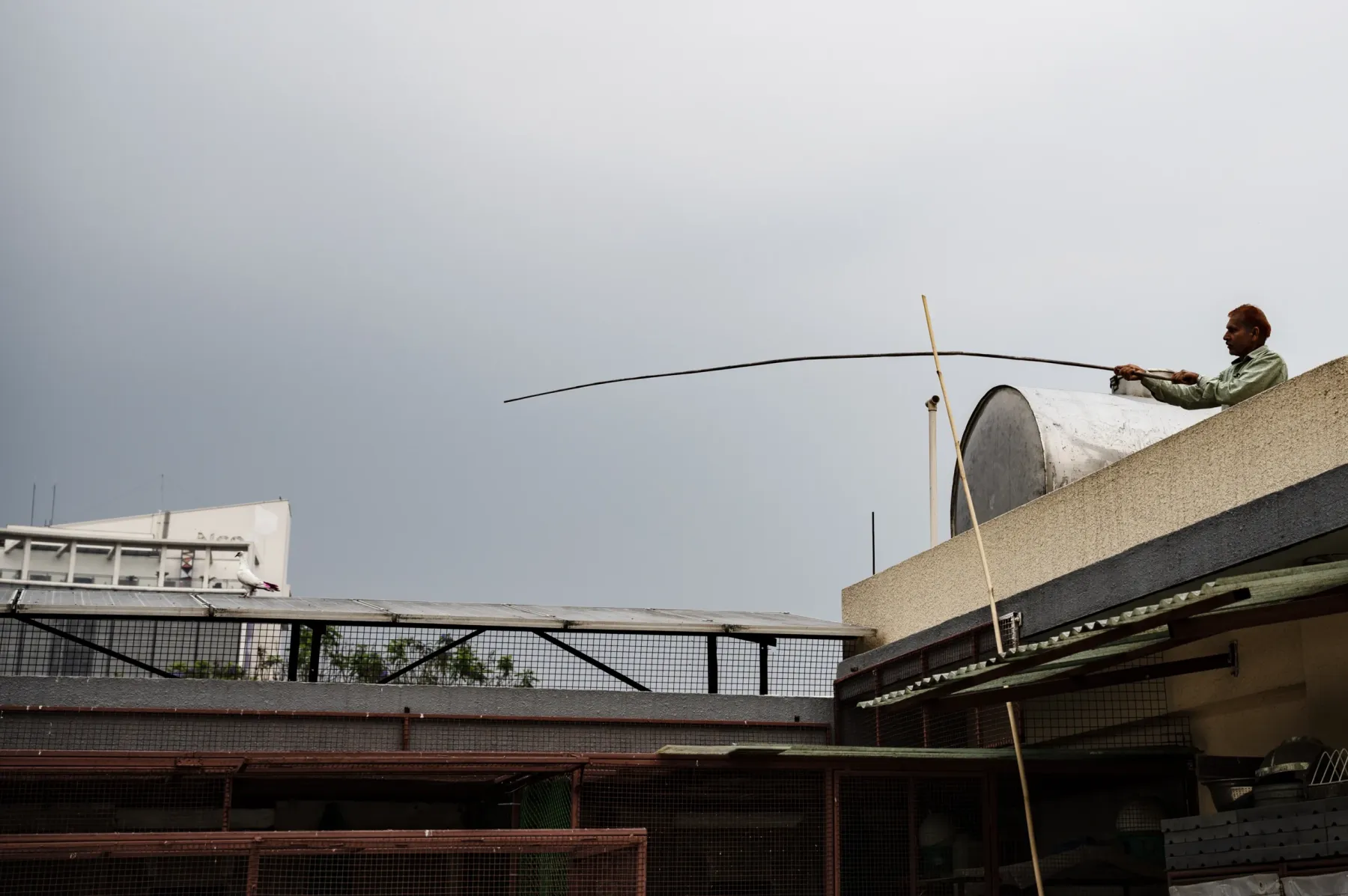
Every year, the multiple award-winning handler Ashok Kumar Thakur (Ashok Ghariwala) travels from Varanasi to Kathmandu, driven by his lifelong passion for pigeon racing and flying. He has repeat clients due to his expertise, dependability, and loyalty. With orange-dyed hair and reddish sclera of his eyes and a bluish ring around the cornea, and a sharp gaze, he bears a resemblance to his beloved birds. His eyes search the sky constantly to detect the first signs of returning wings. For him, pigeons are athletes, companions, and survivors.
Born in 1957, Ashok developed a fascination with pigeons in childhood, inspired by his father’s hobby of raising them. His ancestors were gold and silversmiths. Later, they ran a business repairing watches. Although Ashok worked as a watch repairer, pigeon flying remained his hobby. He has 3 daughters and a son, all of whom are educated, employed, and married but uninterested in pigeons. Ashok bred, flew, and raced his own pigeons till 1994; after which, he set them free but continues to train birds for his loyal clients. His father could not pursue the hobby seriously due to family constraints. Ashok has fulfilled his father’s passion by training pigeons in India and Nepal.
The High-Flying Pigeon Loft and Trainer
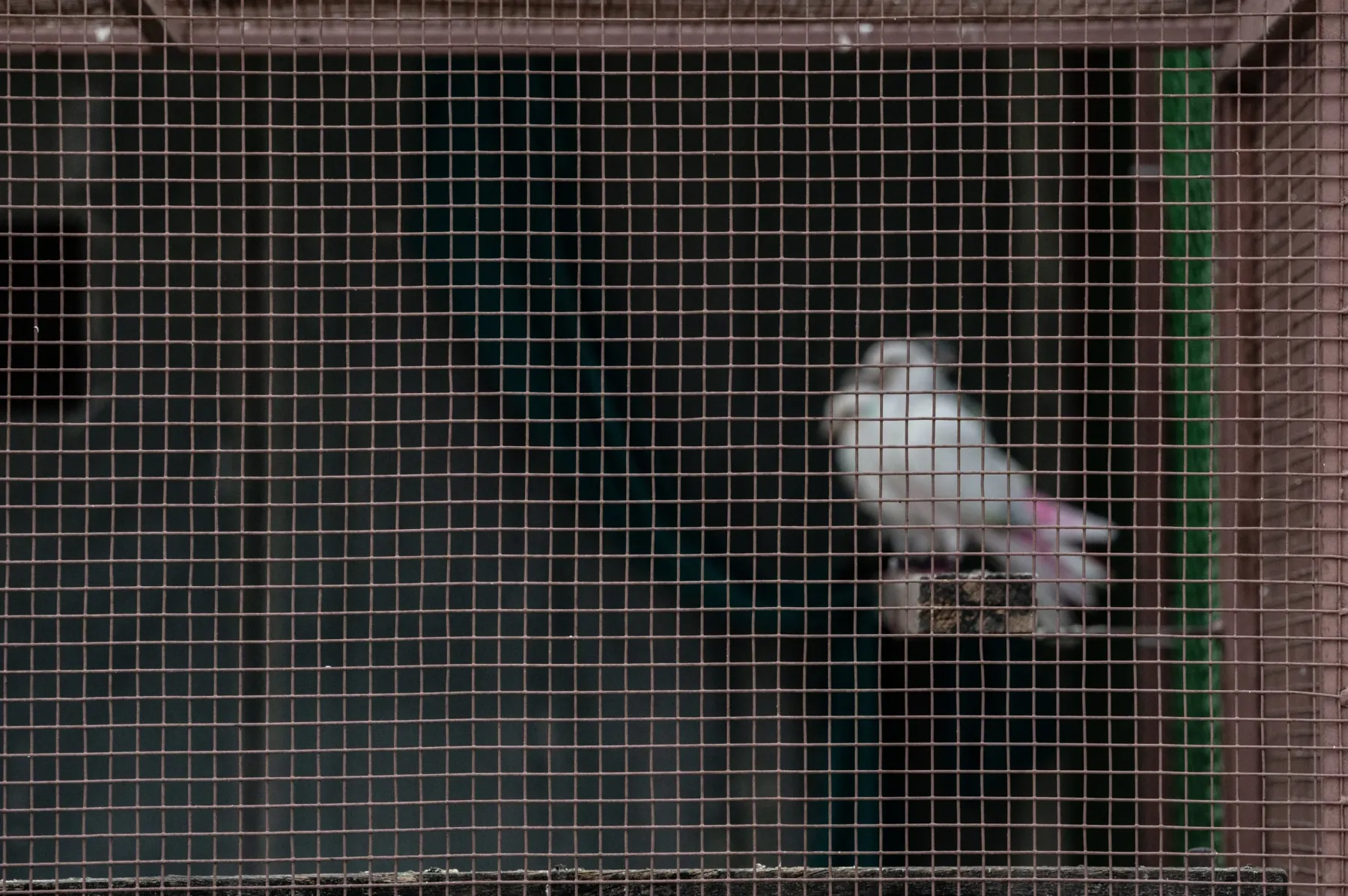
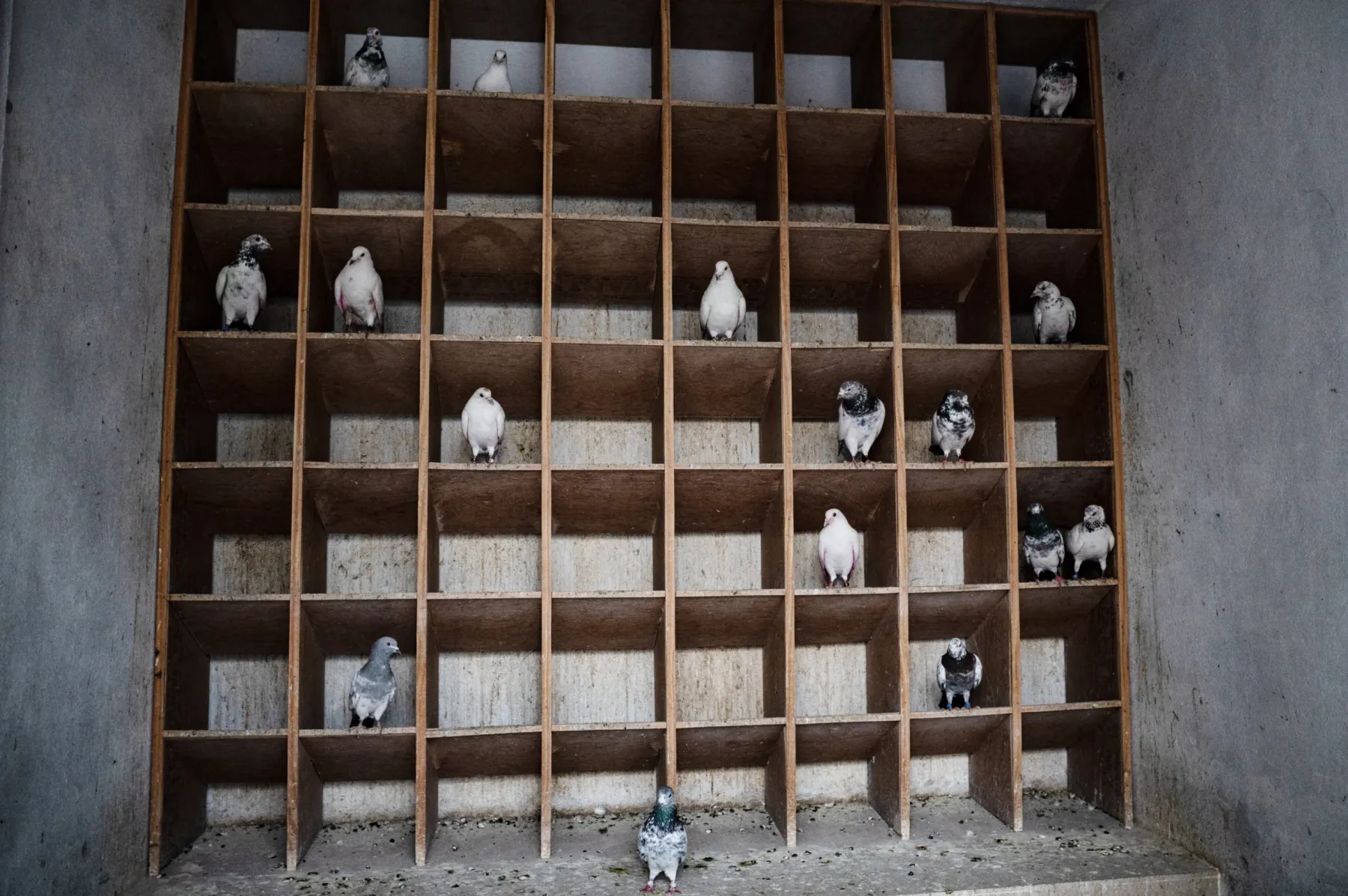
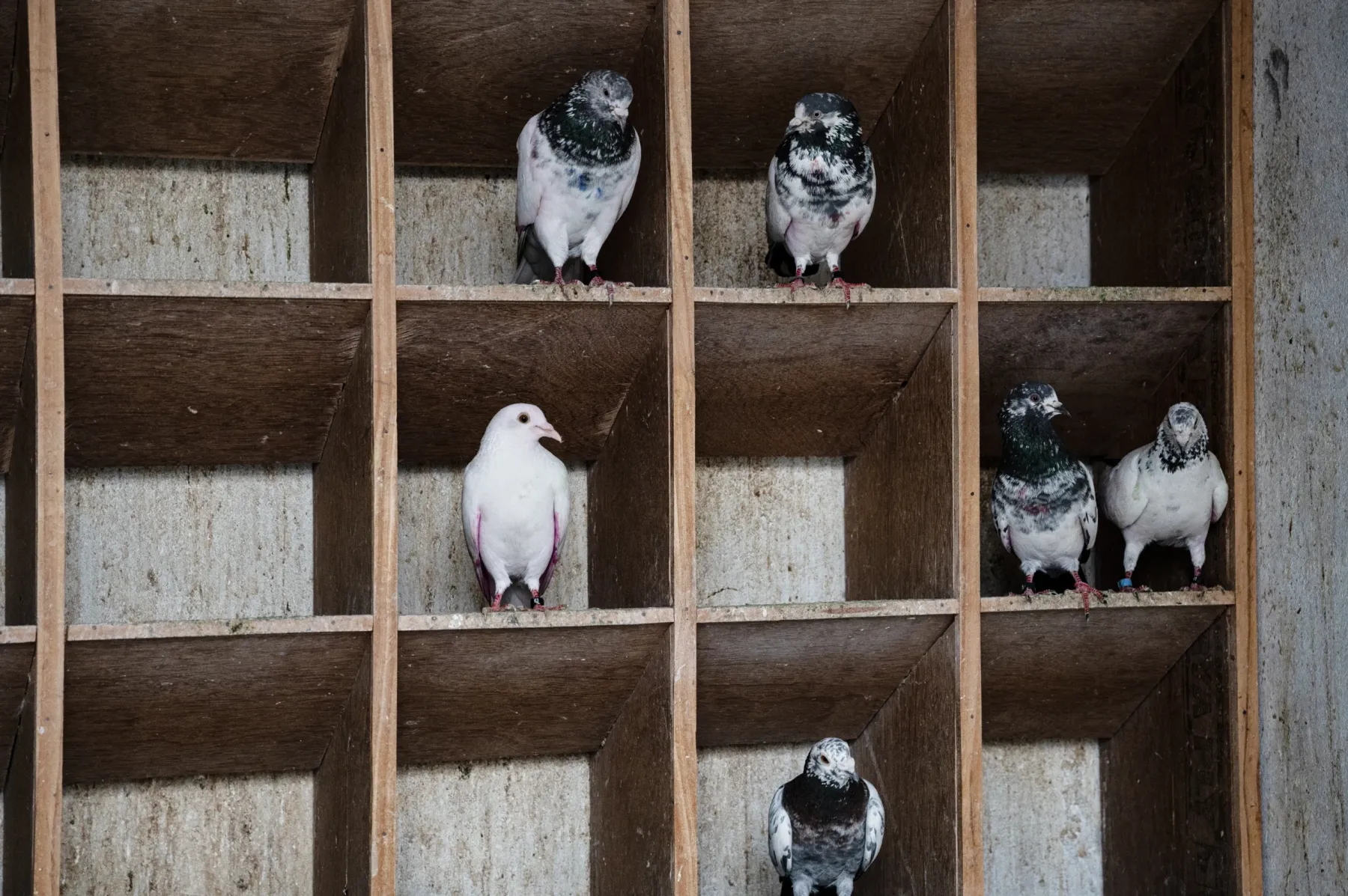

How High-Flying Pigeons are Trained
Perhaps the most important aspect of pigeon training (or any training) is the bond between the trainer and the bird. Experienced trainers insist pigeons recognize voices, routines, and even emotional states. In the words of Ashok, ‘lagao ho jata hai’ (You get attached). He is so attached to the breed that he gets upset when the weather plays spoilsport on race days, and enjoys being praised when his pigeons win. Ashok feels depressed and loses his appetite when his pigeons lose. Losses are harmful to his reputation, too.
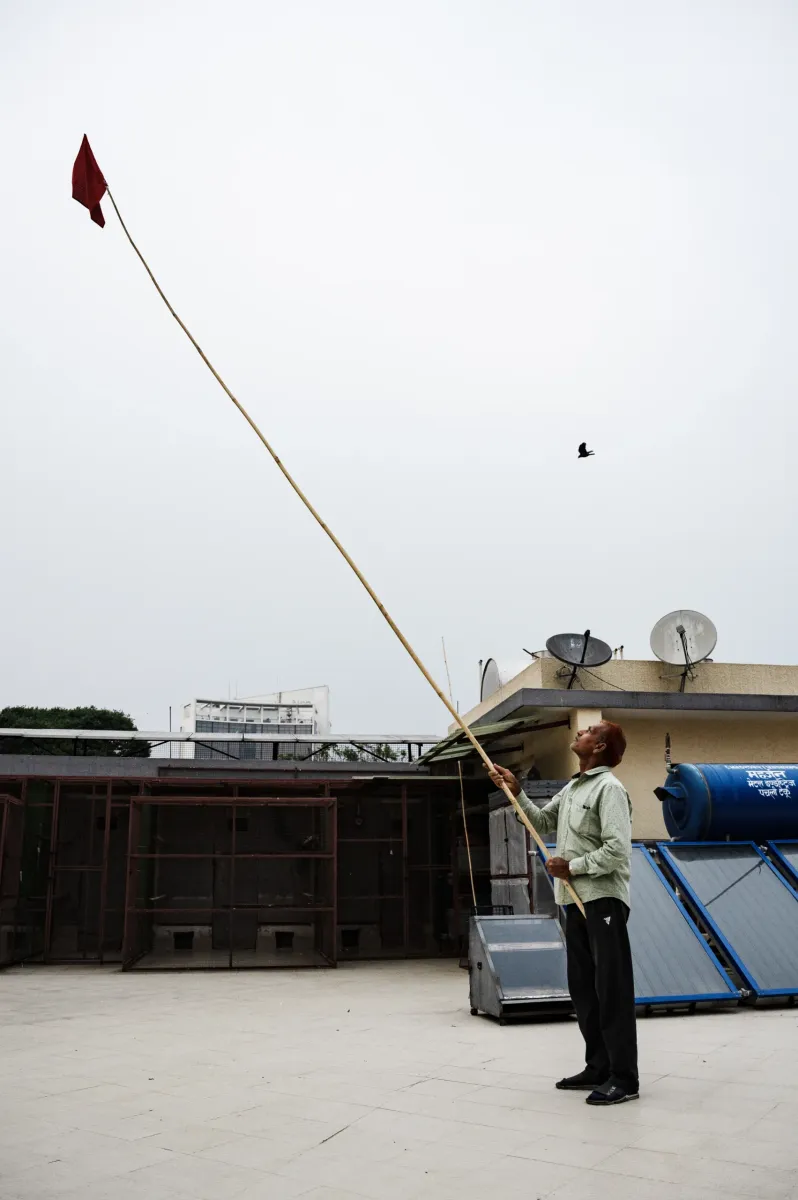
Ashok invests tremendous effort and time in the training and welfare of the birds. His regime for the birds and himself pivots on discipline. Feeding schedules and diets are strict and precise, adjusted according to weather and race conditions. Training sessions are carefully timed. Before major races, the pigeons are handled with remarkable care.
Weather Hazards
Training of pigeons is for a minimum period of 40 days. Bloodline, quality bird feed, time, and patience are the prerequisites of pigeon training. The trainers aim to make them climb high, fly quickly above rain clouds, if any, and return later despite inclement weather. Rain and strong winds make the pigeons heavy and wet. So, they have to work harder to avoid drifting and keep on course. The pigeons that fly above the clouds and return after 7½ to 8½ hours are the hardworking ones. The Punjabi, Bengali, and Madrasi pigeons are very clever at reading the wind. When they sense the weather is changing, they do not fly. Birds that return before 6 hours are disqualified. The Pakistani pigeons fly as trained and ascend as much as they are supposed to. They are clever enough to fly high and far, and then return to their homes.
Predatory Hazards
Apart from the weather, birds of prey, like falcons, are a threat to the free flight of pigeons. Pigeons are so afraid of them that some fall from the sky in fear and hurt themselves. Owners lose quite a few pigeons to this. The resolute ones can face both the predatory birds and inclement weather to keep flying for hours. The presence of too many onlookers and strangers, at the time of release, frightens the birds, too. They fail to fly for long. Ashok strongly feels that only the trainer, client, and judges should be allowed during the races. The pigeons will perform well only if the ambience is calming before a race.
While there are many ustads in India, previously, there were no trainers in Nepal. In recent years, some Nepali fanciers have trained to become trainers.
Caring for Homing Pigeons




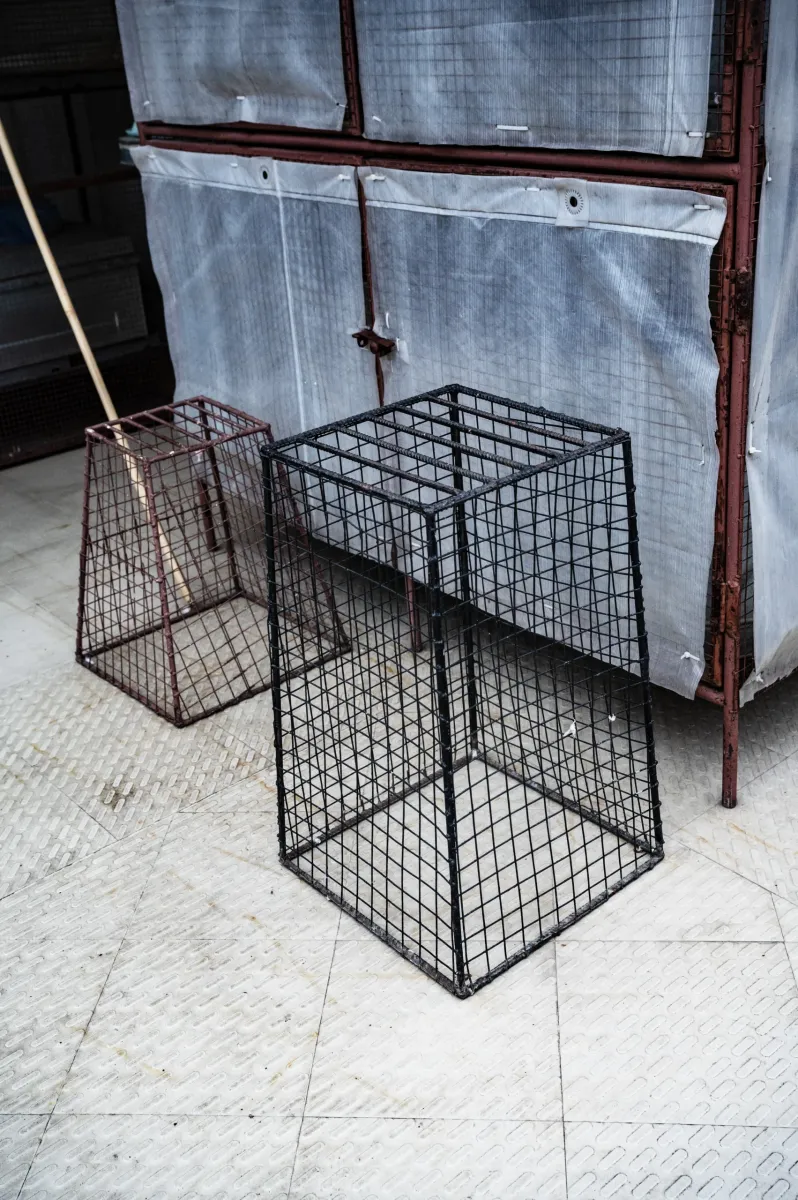
High-Flying Pigeons of Nepal
Though relatively unknown to mainstream audiences today, pigeon keeping and pigeon flying in Nepal have traditional, cultural roots and usually take place in April-May and November, when the chance of rain is lower. Competitive pigeon flying is mostly concentrated in Kathmandu, Bhaktapur, and Patan. The Nepal Pigeon Flying Sports Association in Kathmandu has organised traditional pigeon-flying methods into a more structured sport. It is also popular in many parts of the world, including Lahore, Benaras, Mughalsarai, Parav, Udgir, Kolkata, and Mumbai.
Around the world, the birds are judged on two categories:
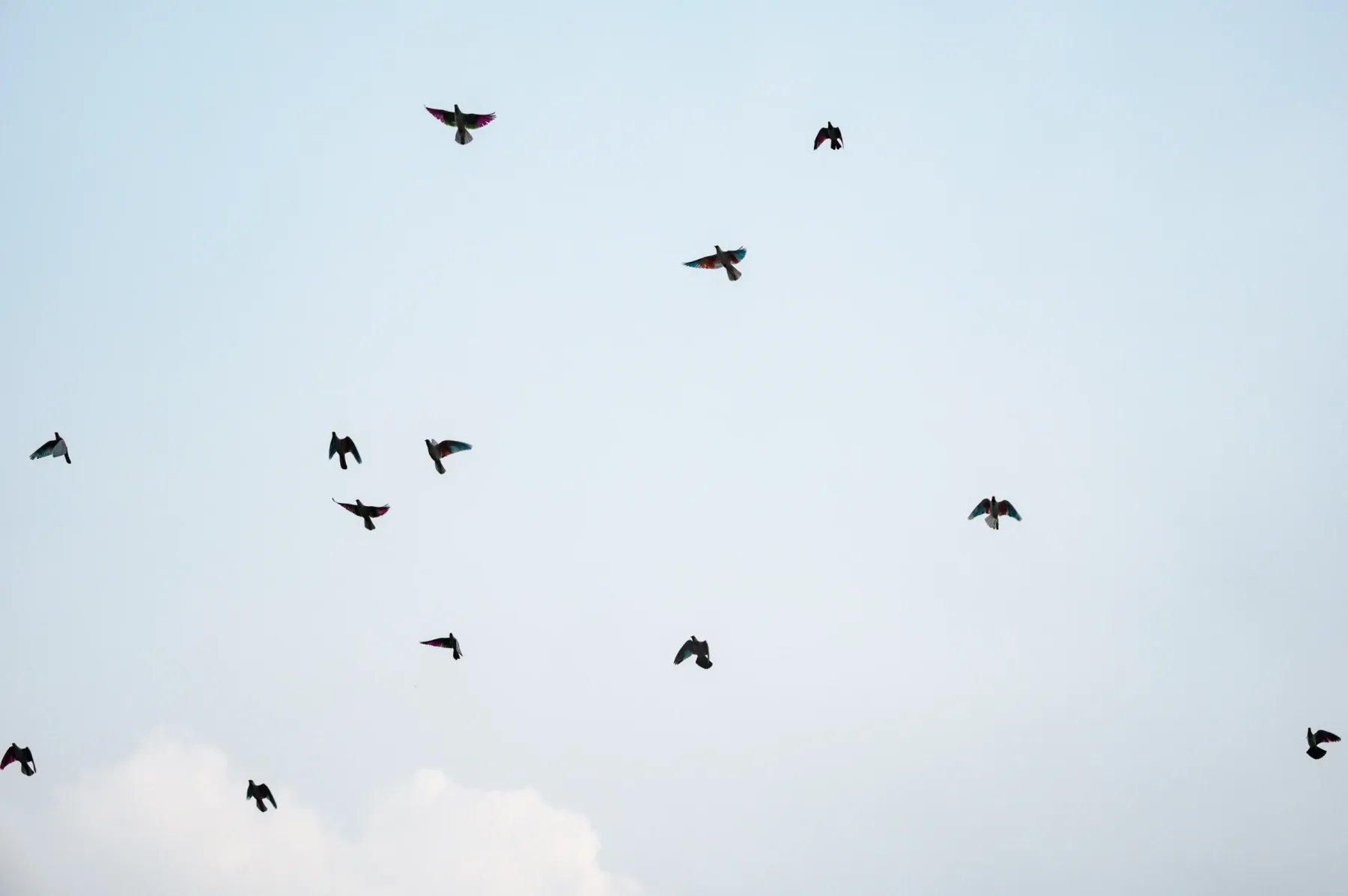
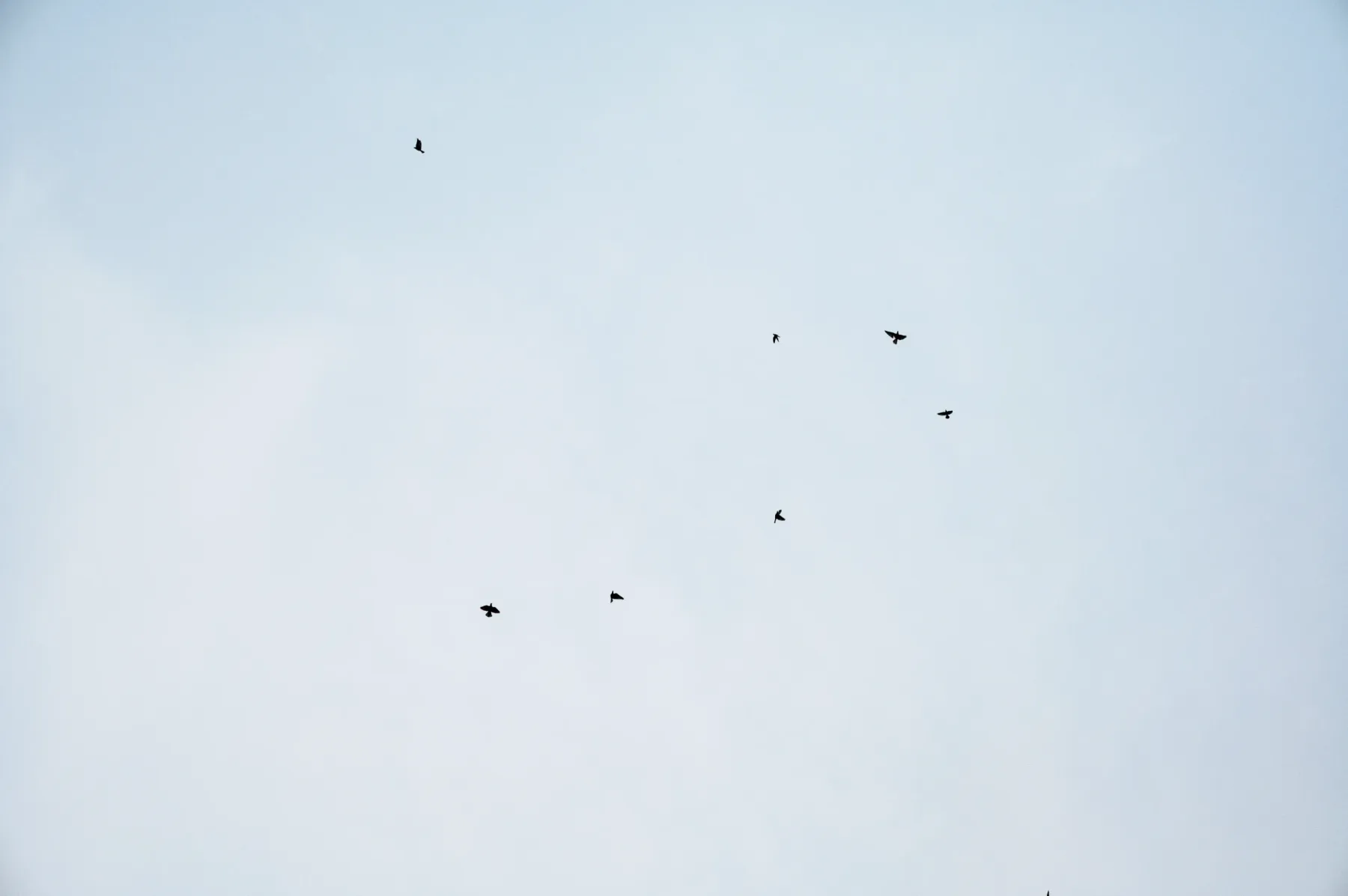
- high-flying competitions – flying at tremendous heights and remaining in the air for extended periods, up to 8 to 9 hours
- endurance and homing – when the birds are released from far-off locations and must race back home
Unlike pigeon-racing traditions elsewhere, Nepal’s pigeon-flying culture focuses mainly on high-flying competitions guided by long-standing traditions.
Competitive Pigeon Flying Rules
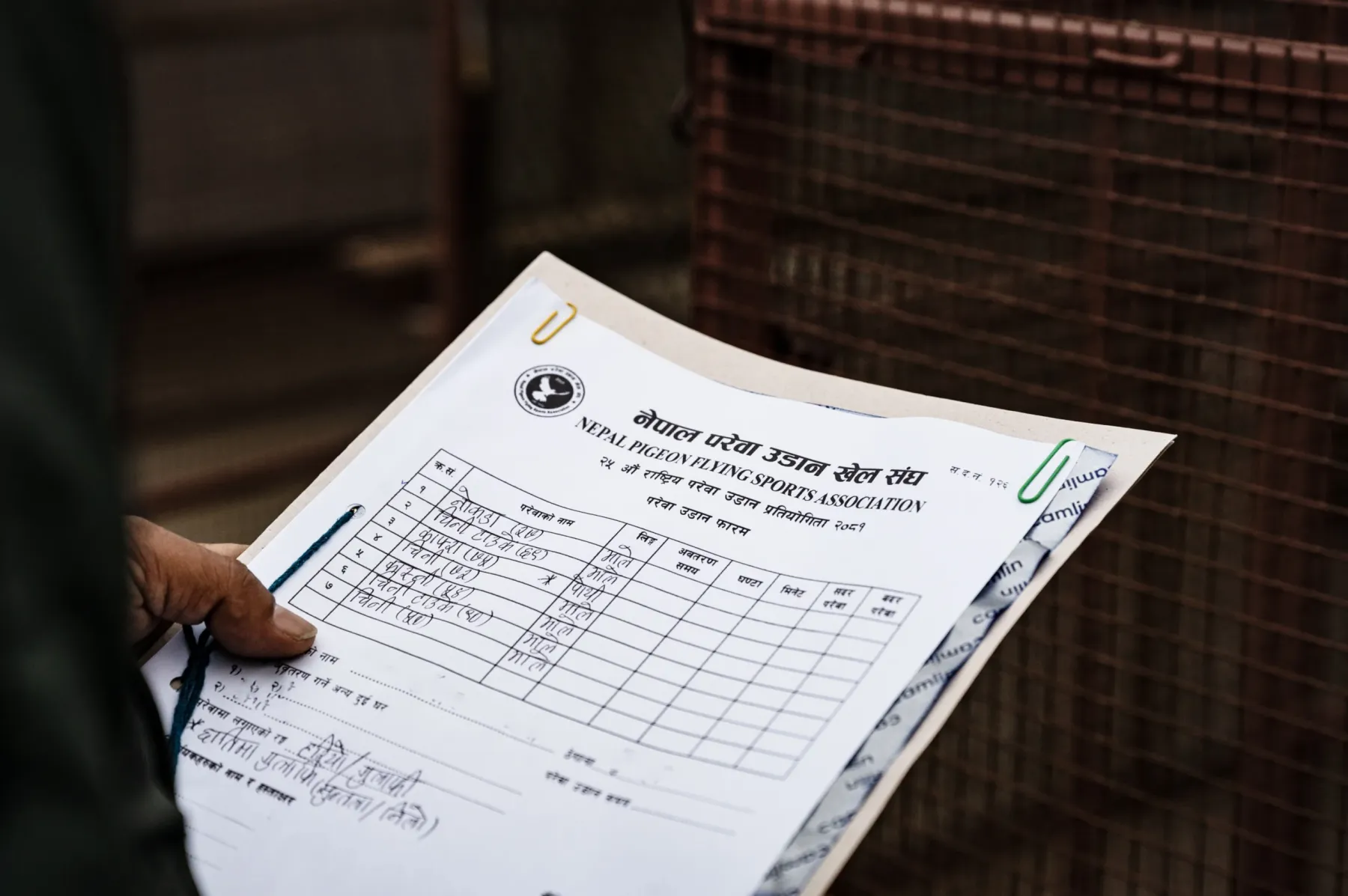
Members of the association enter 5 to 7 pigeons for competitions. Judges evaluate the flight time of the best five pigeons, while the remaining two serve as reserves. Designated days feature two or three rounds of the league-like flying competition between 6:00 AM and 6:00 PM, and participants must release the birds by 8:30 AM.
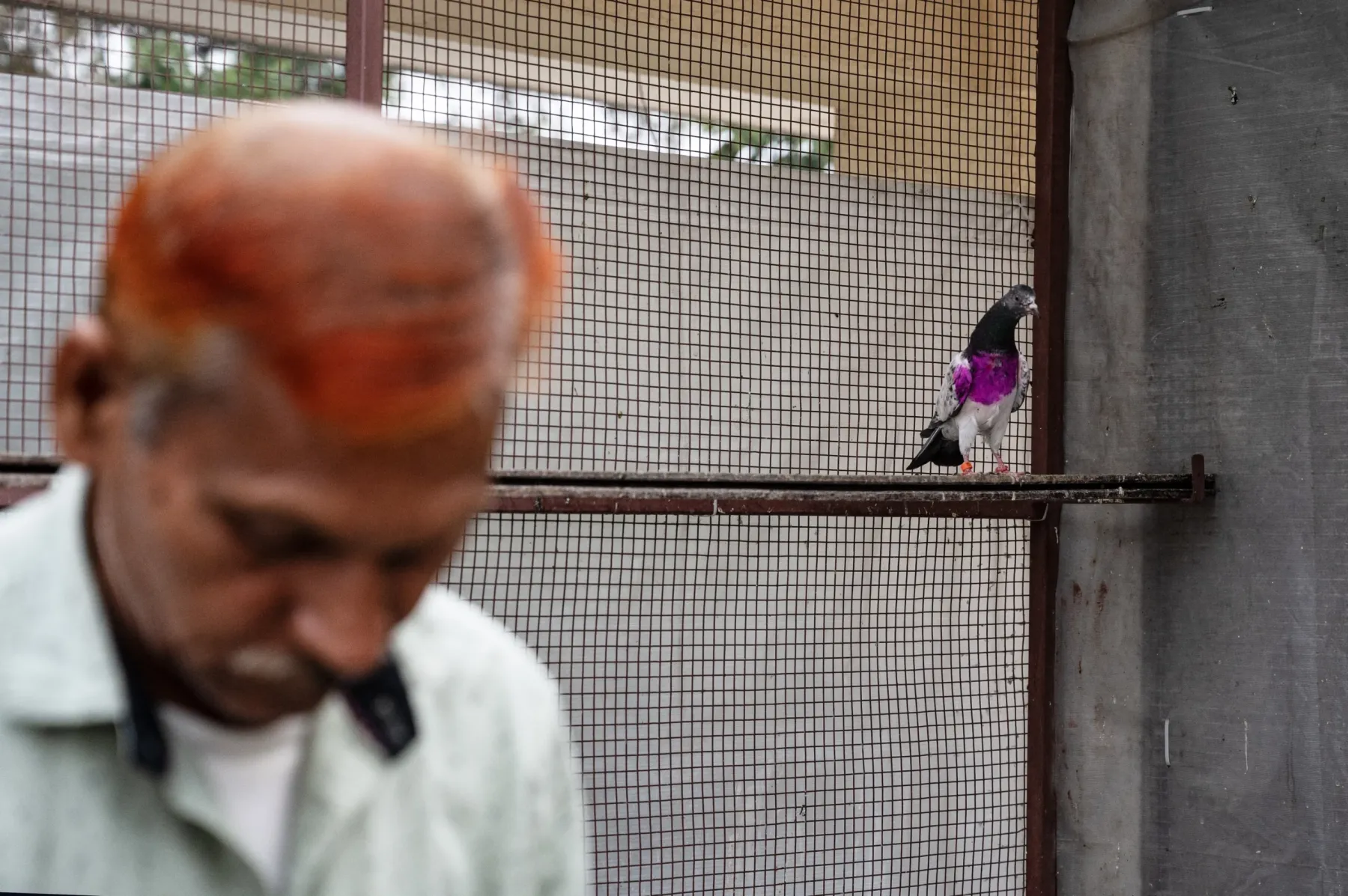
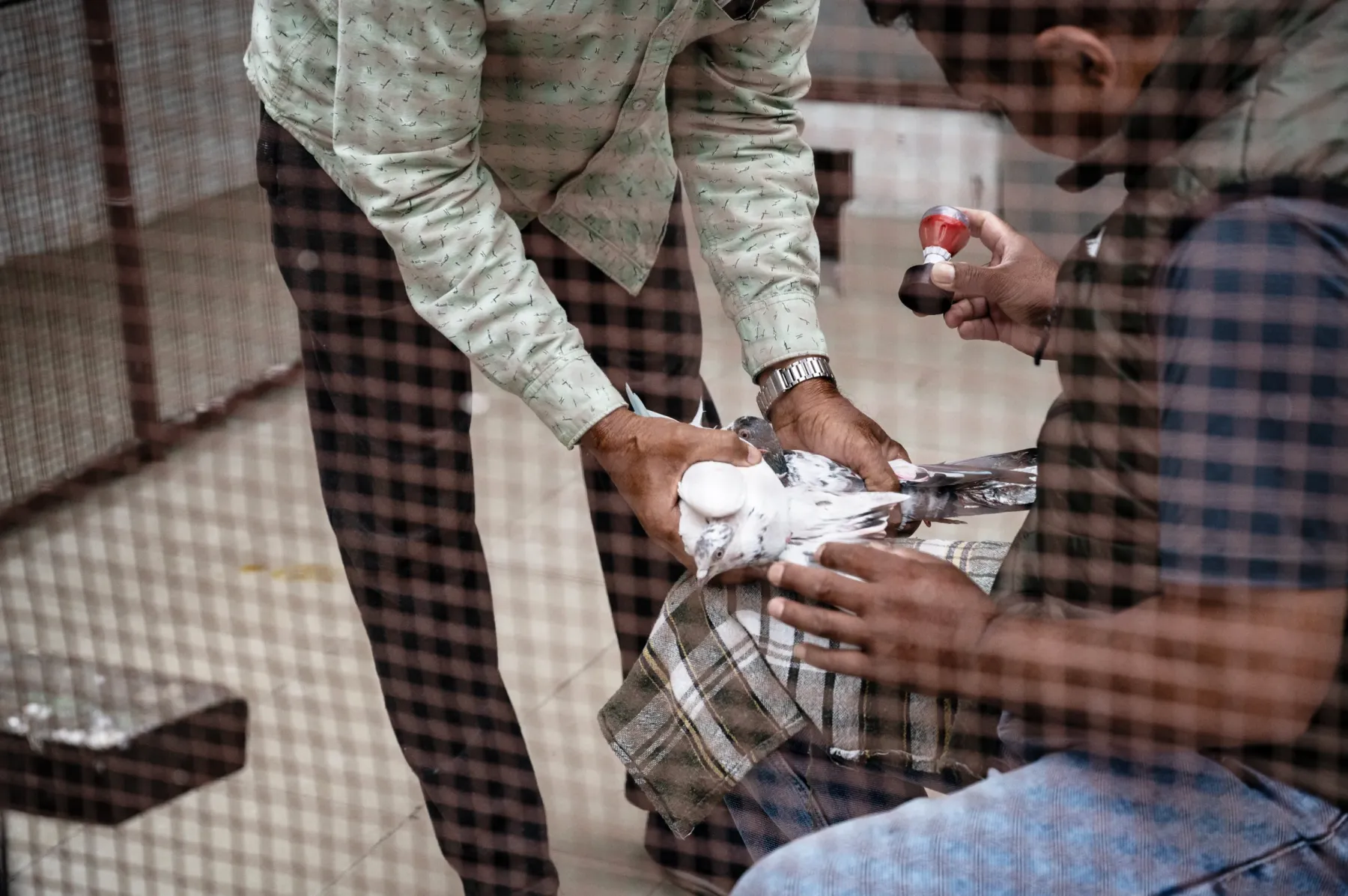
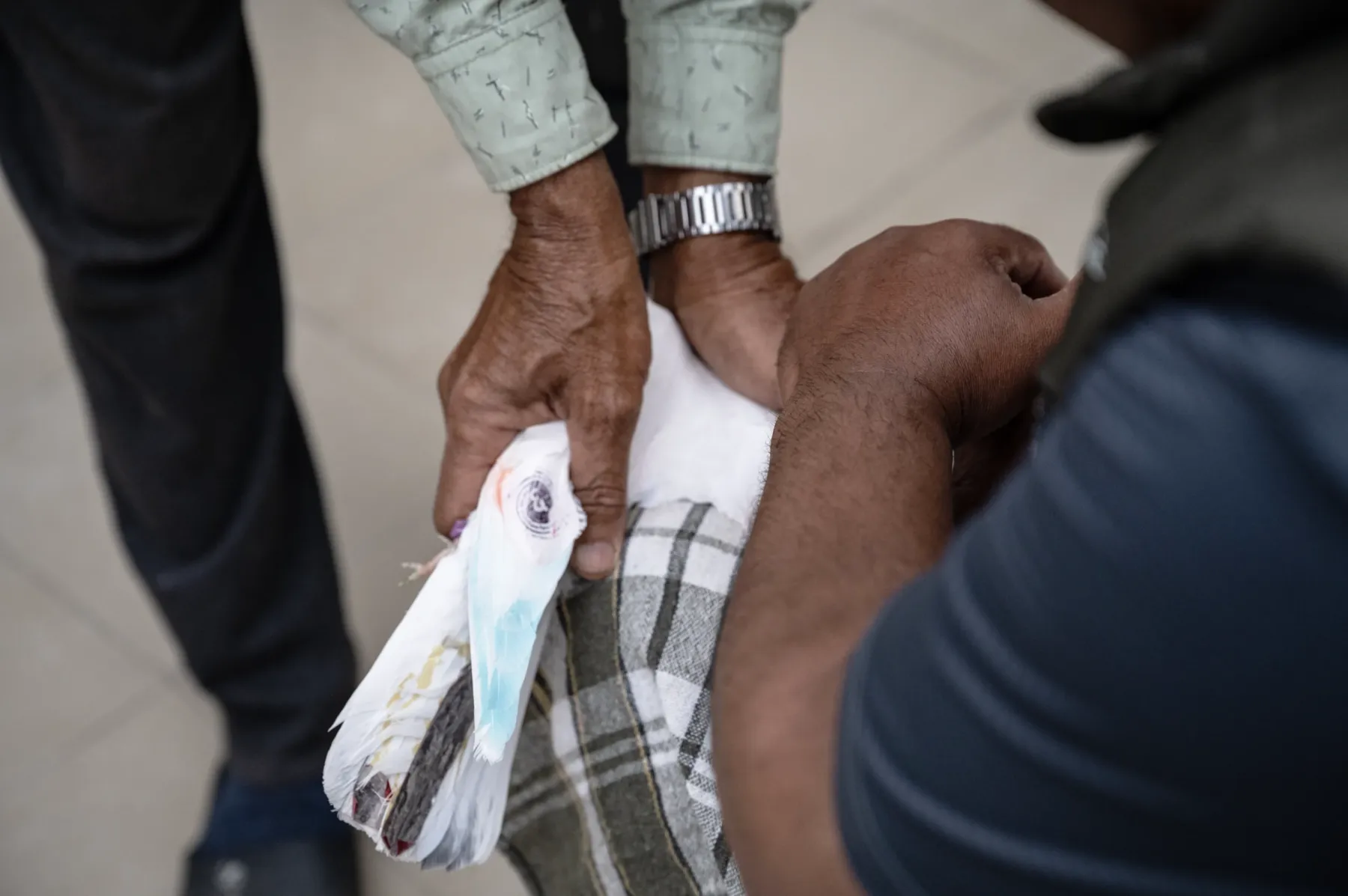
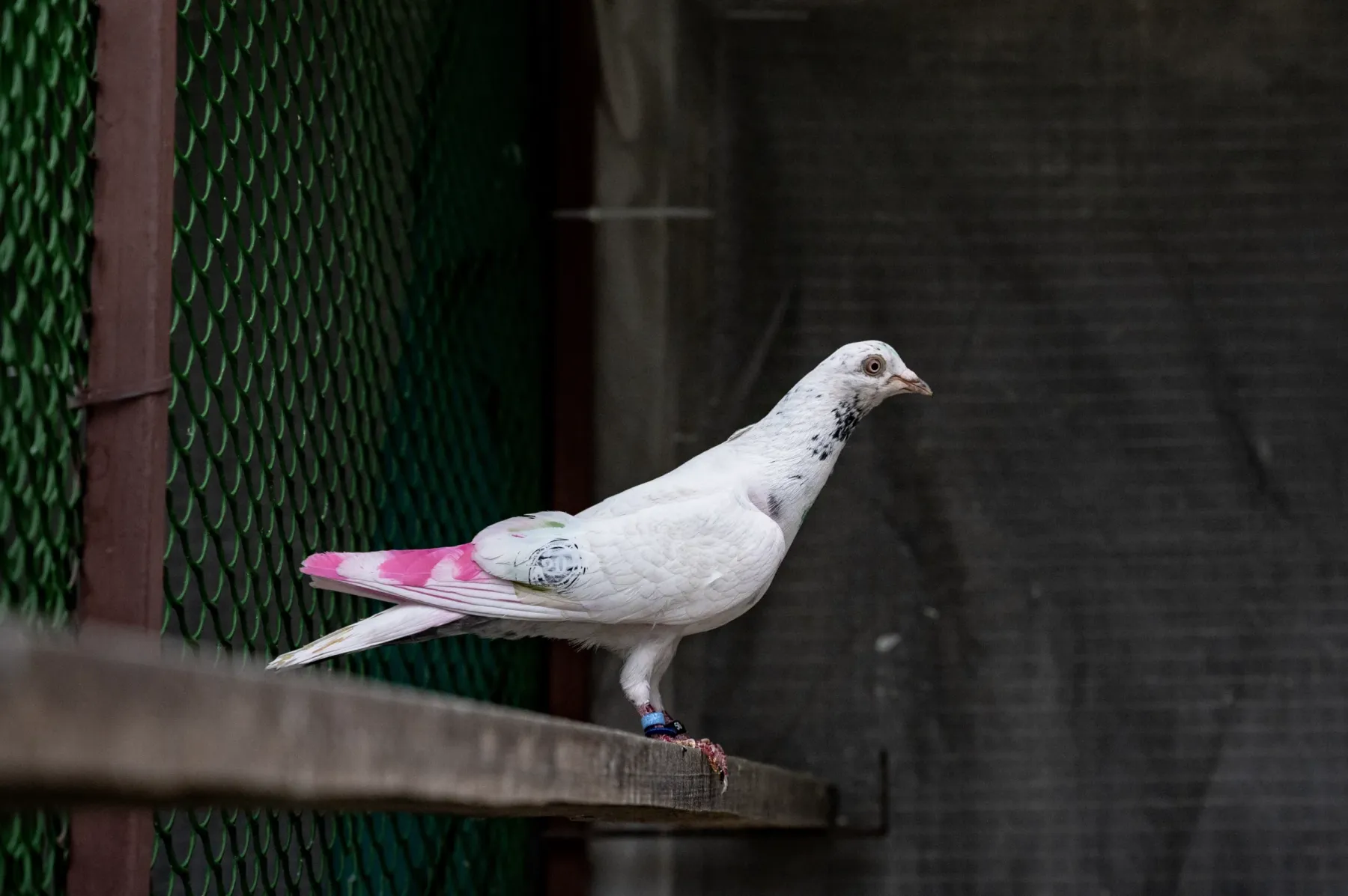
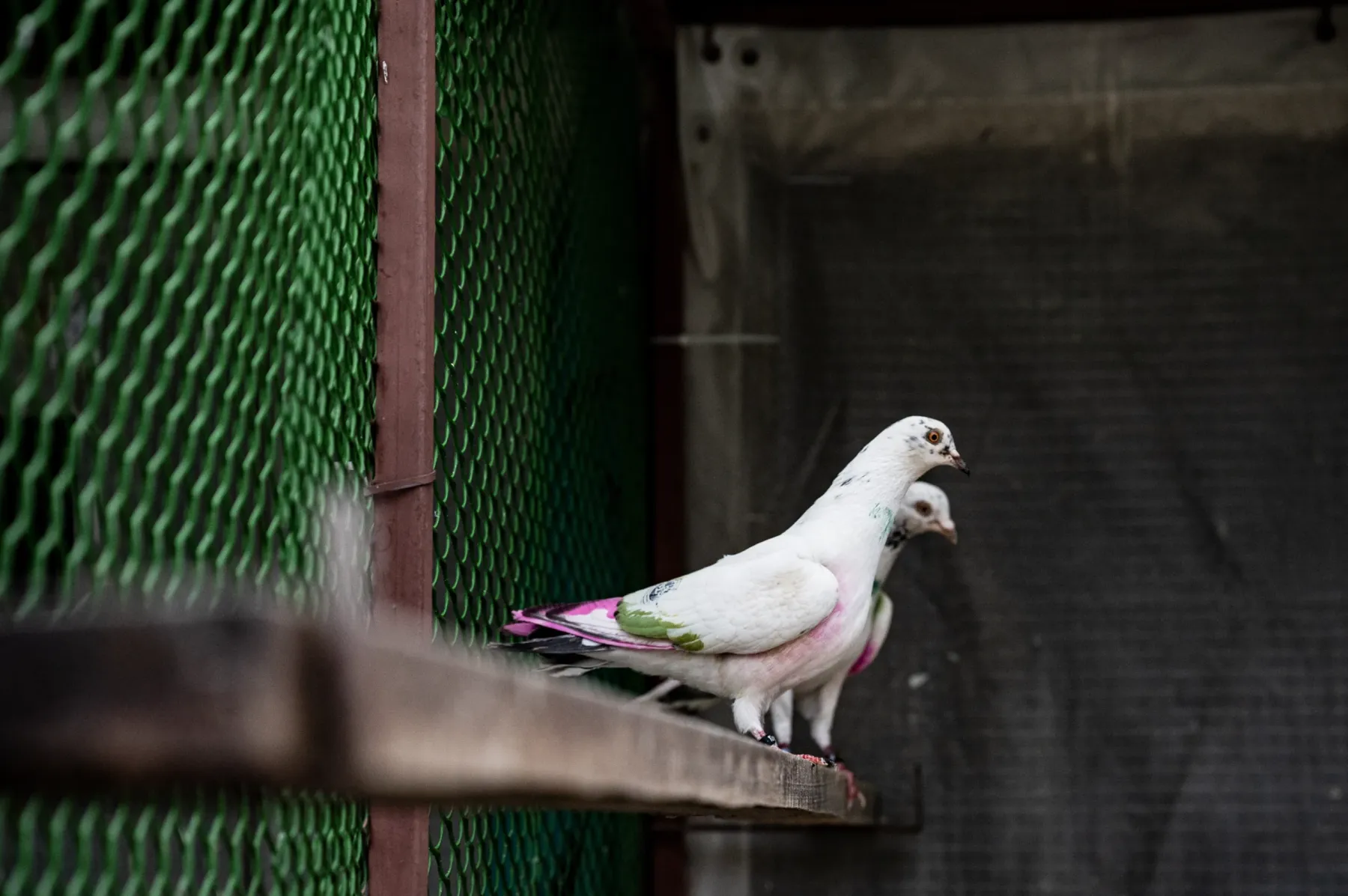
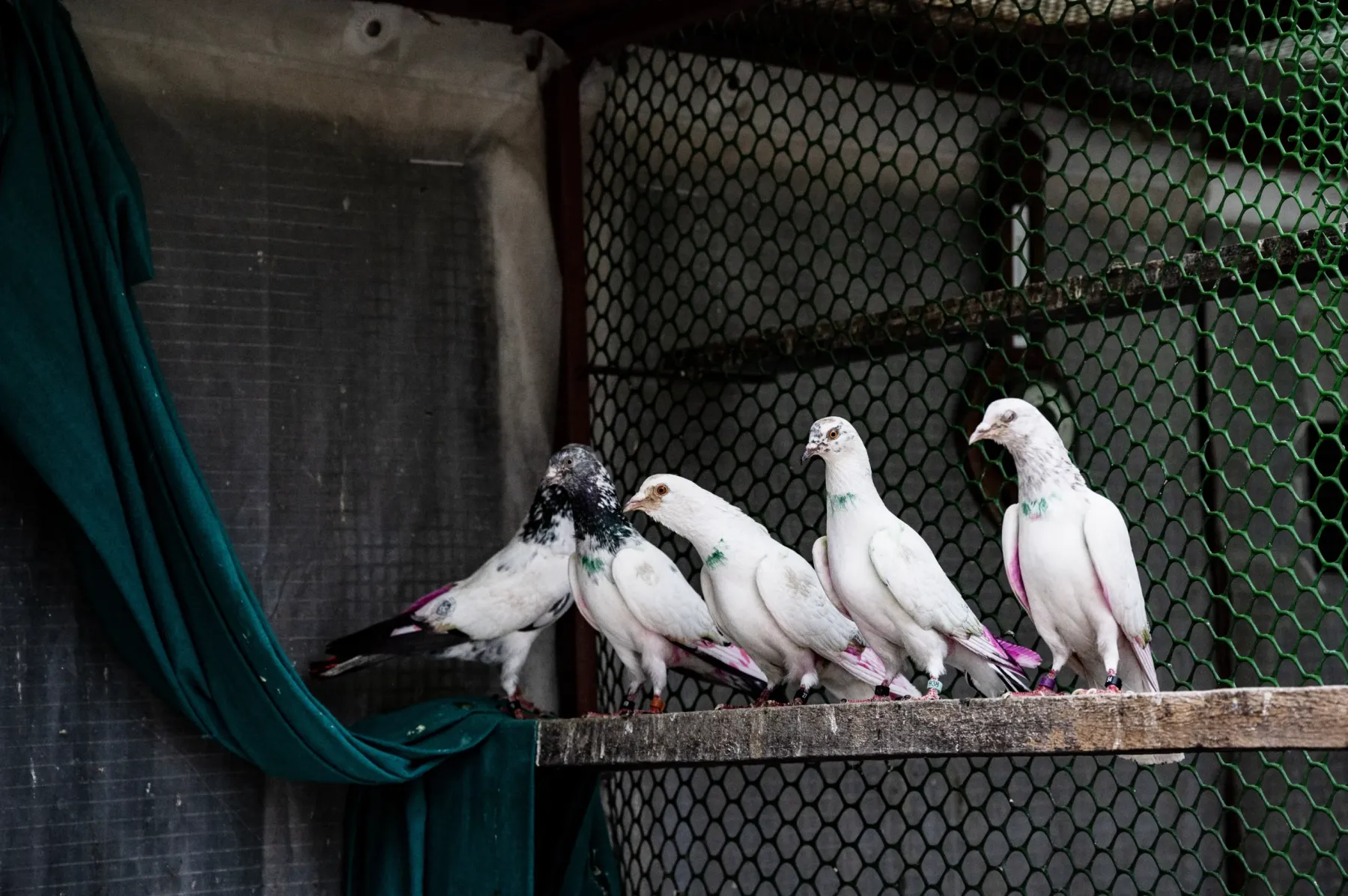
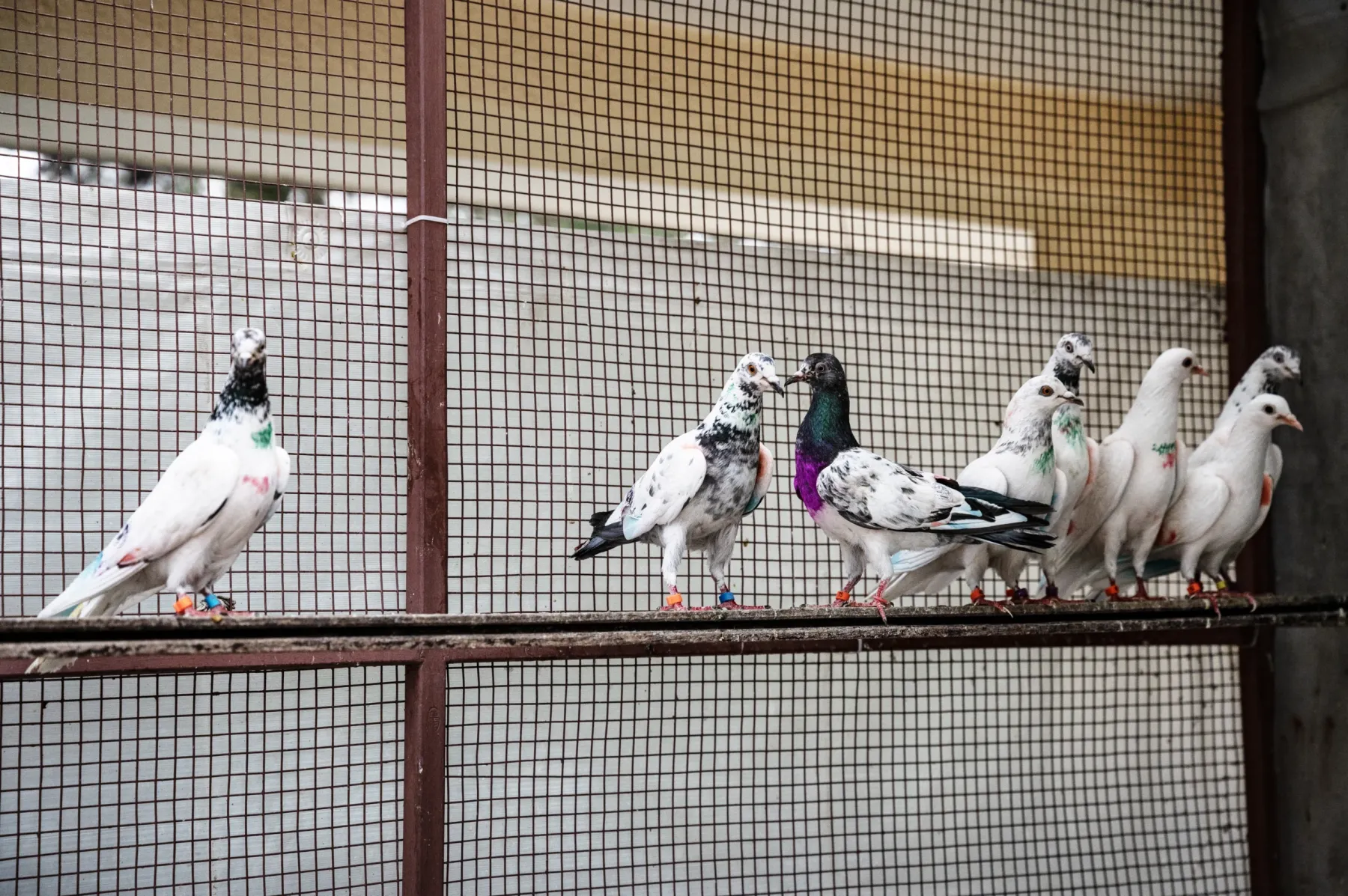
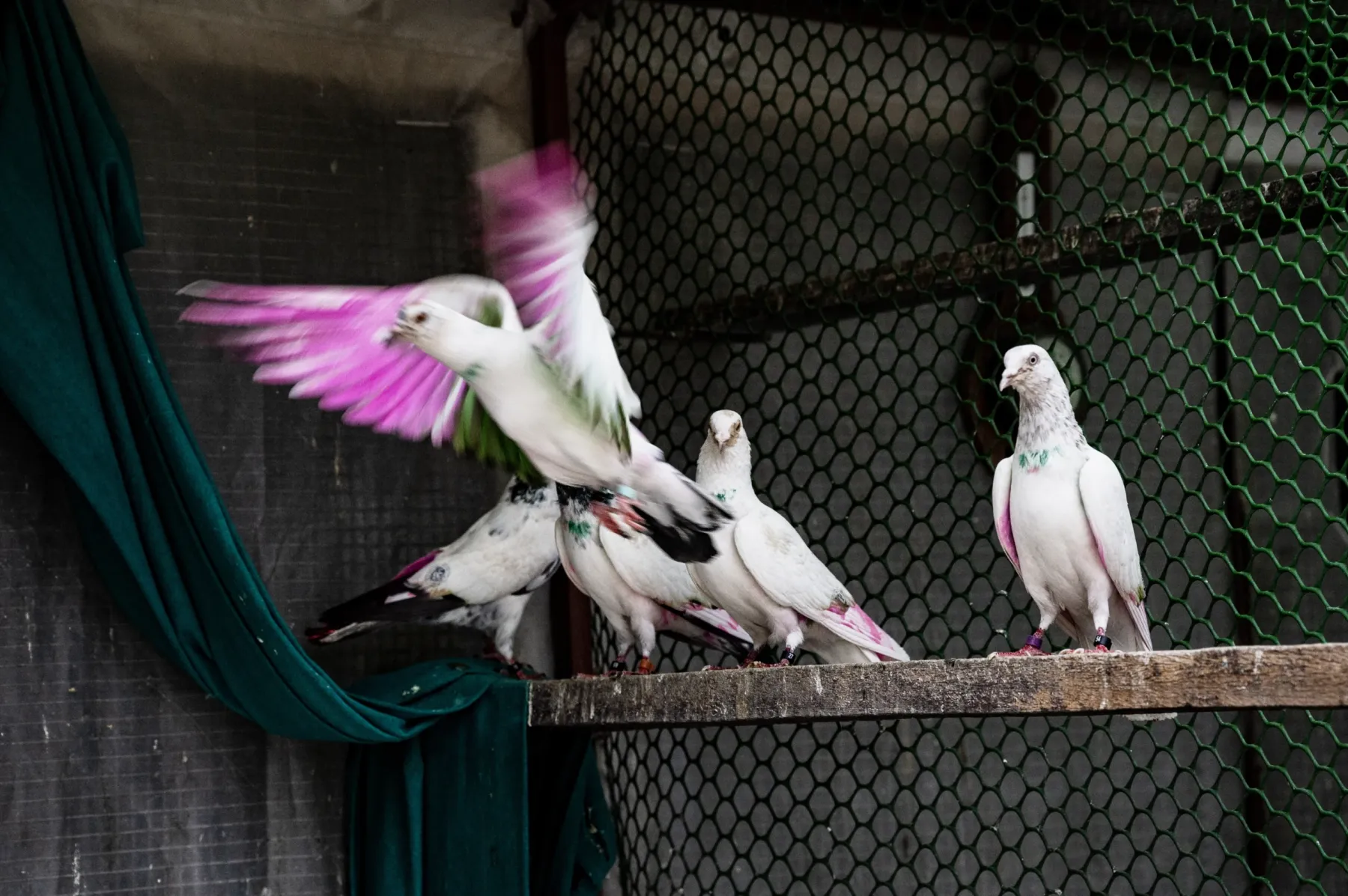
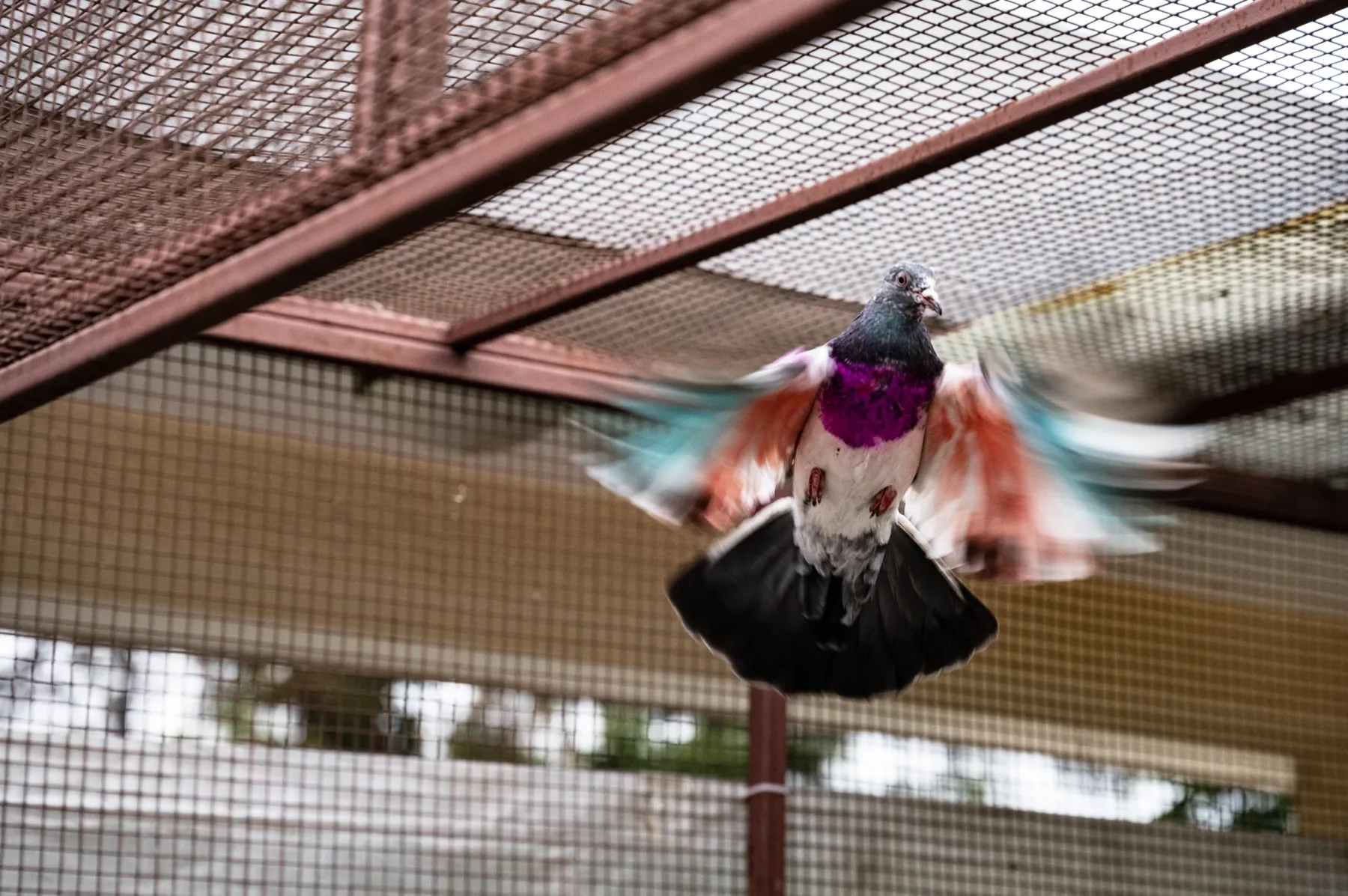
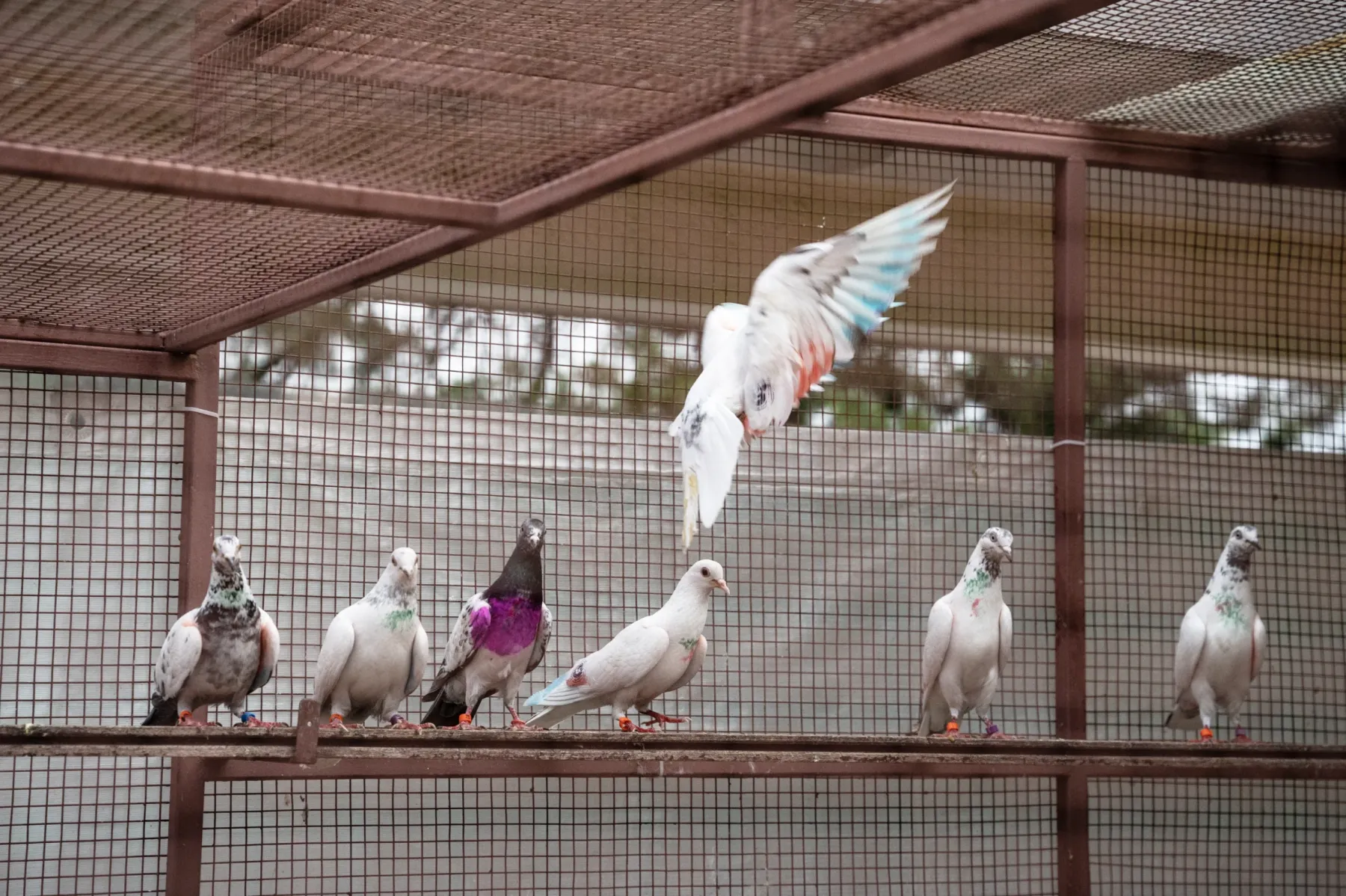
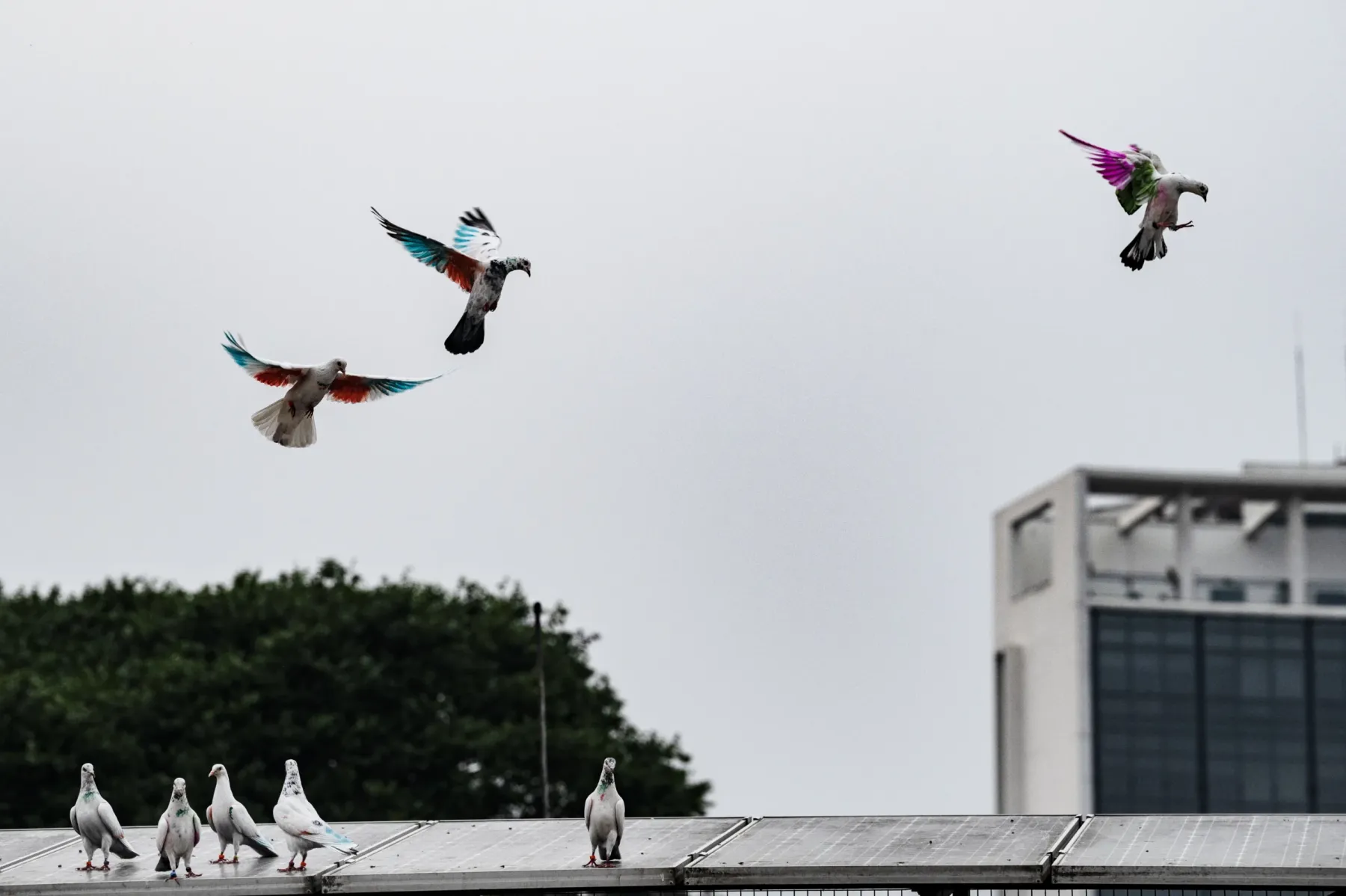
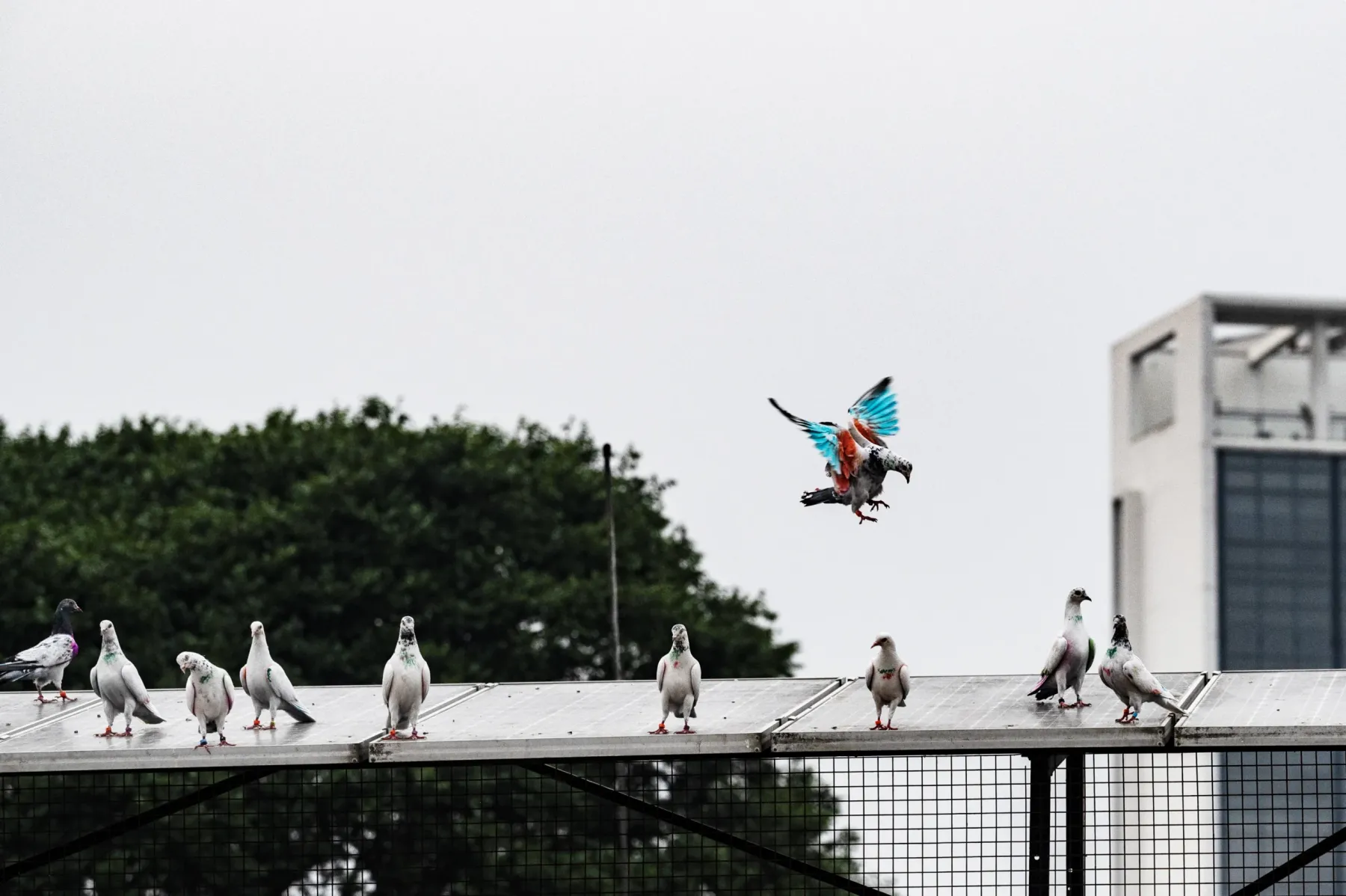
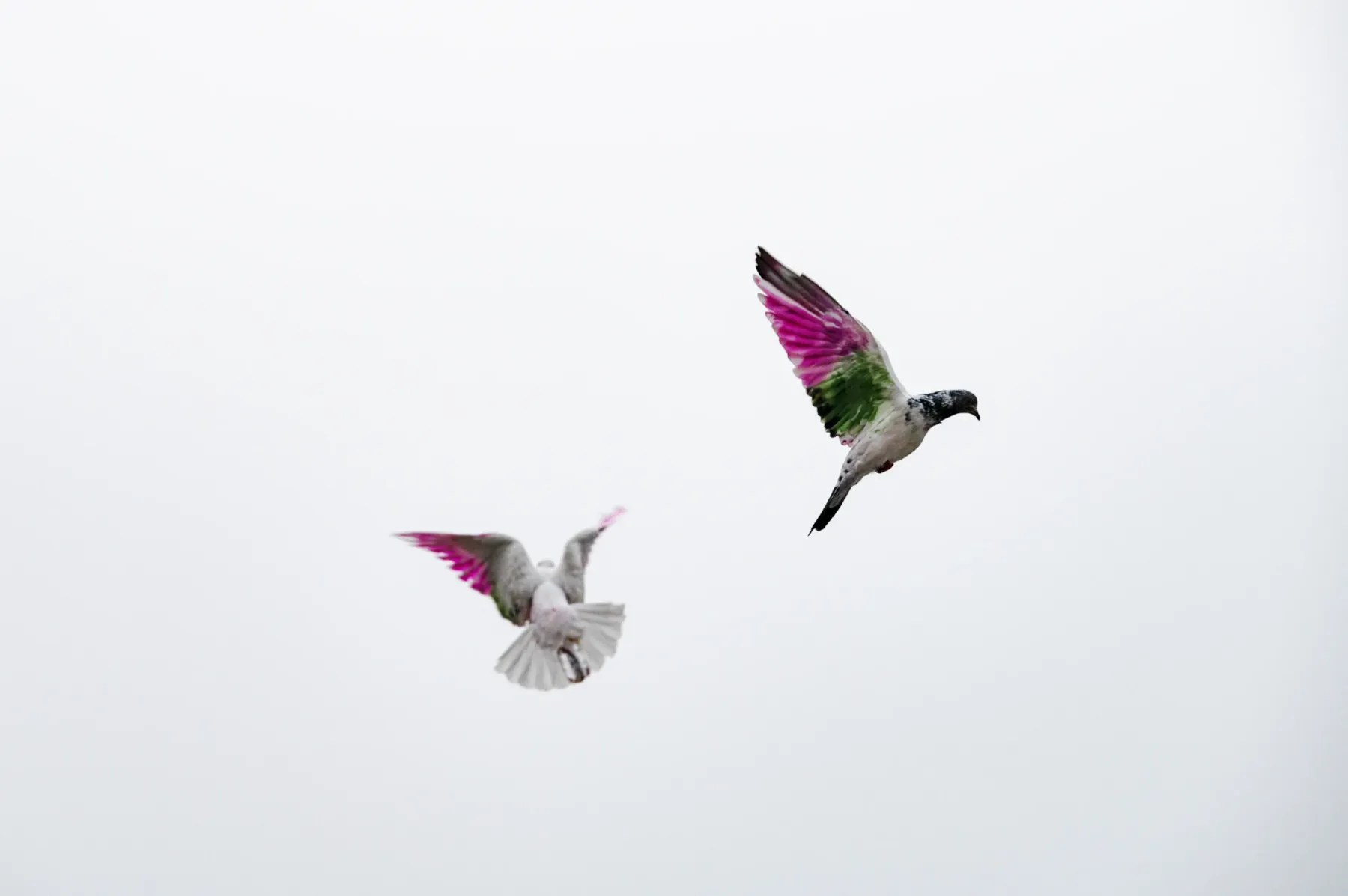
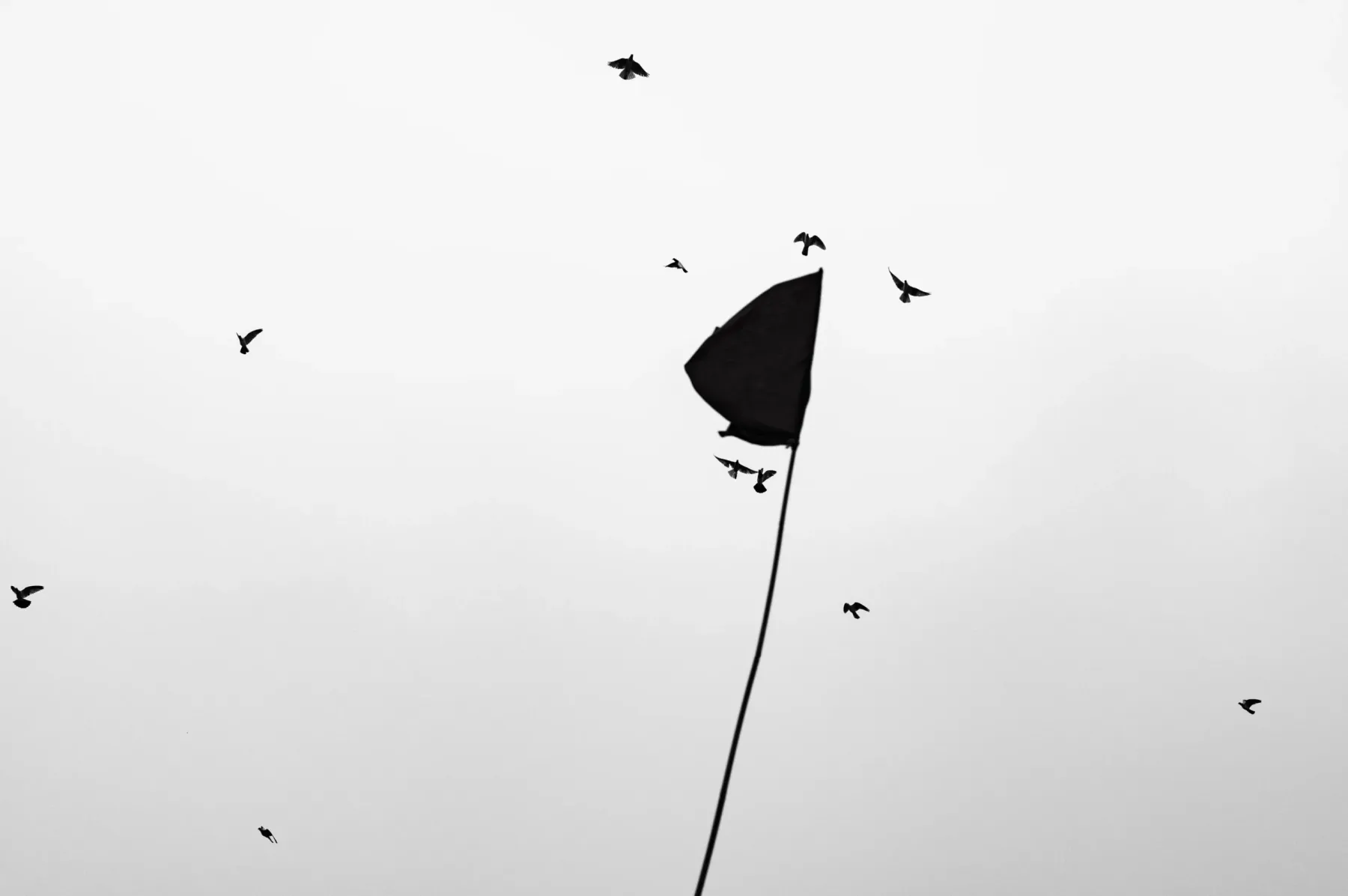
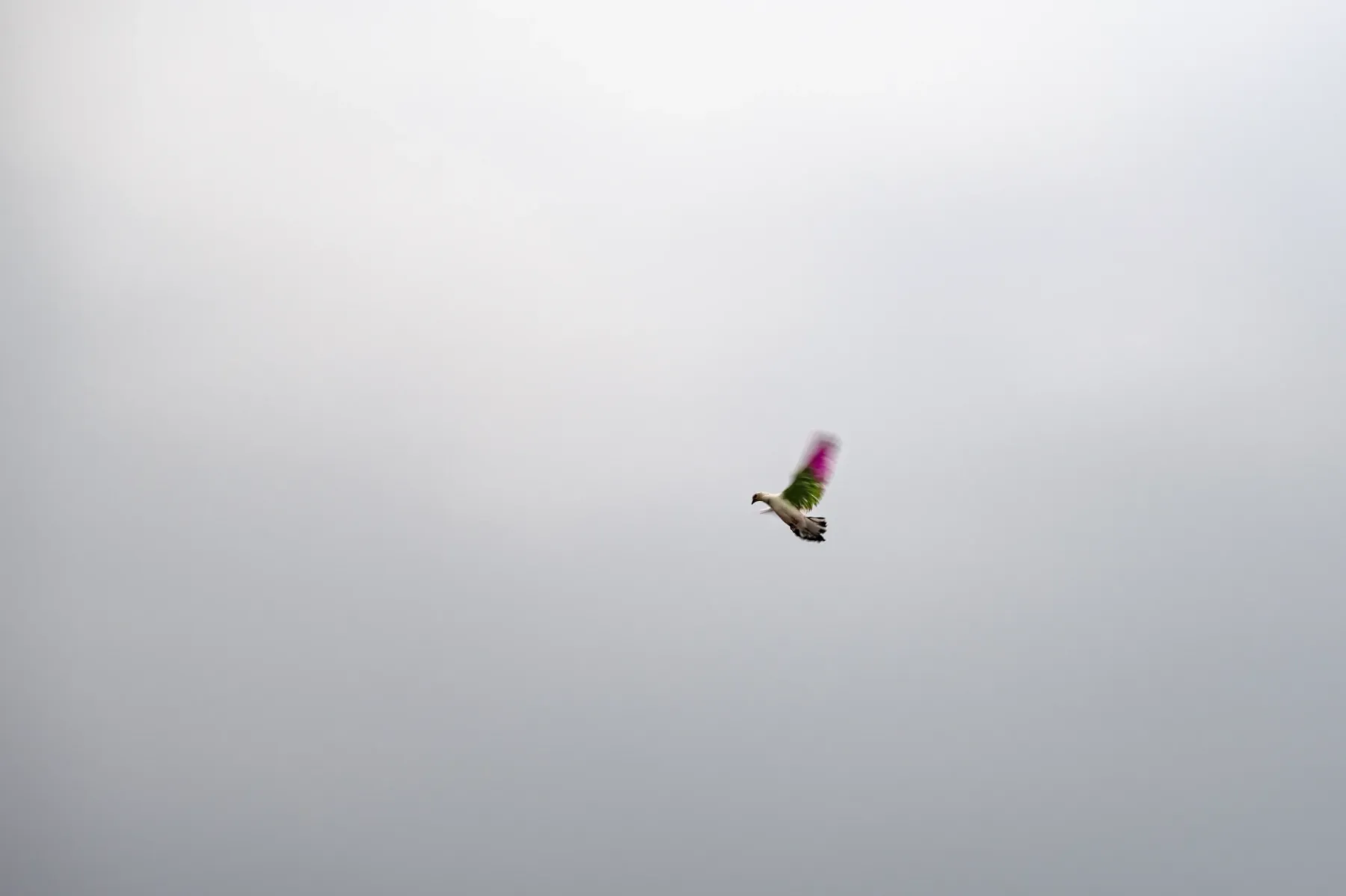
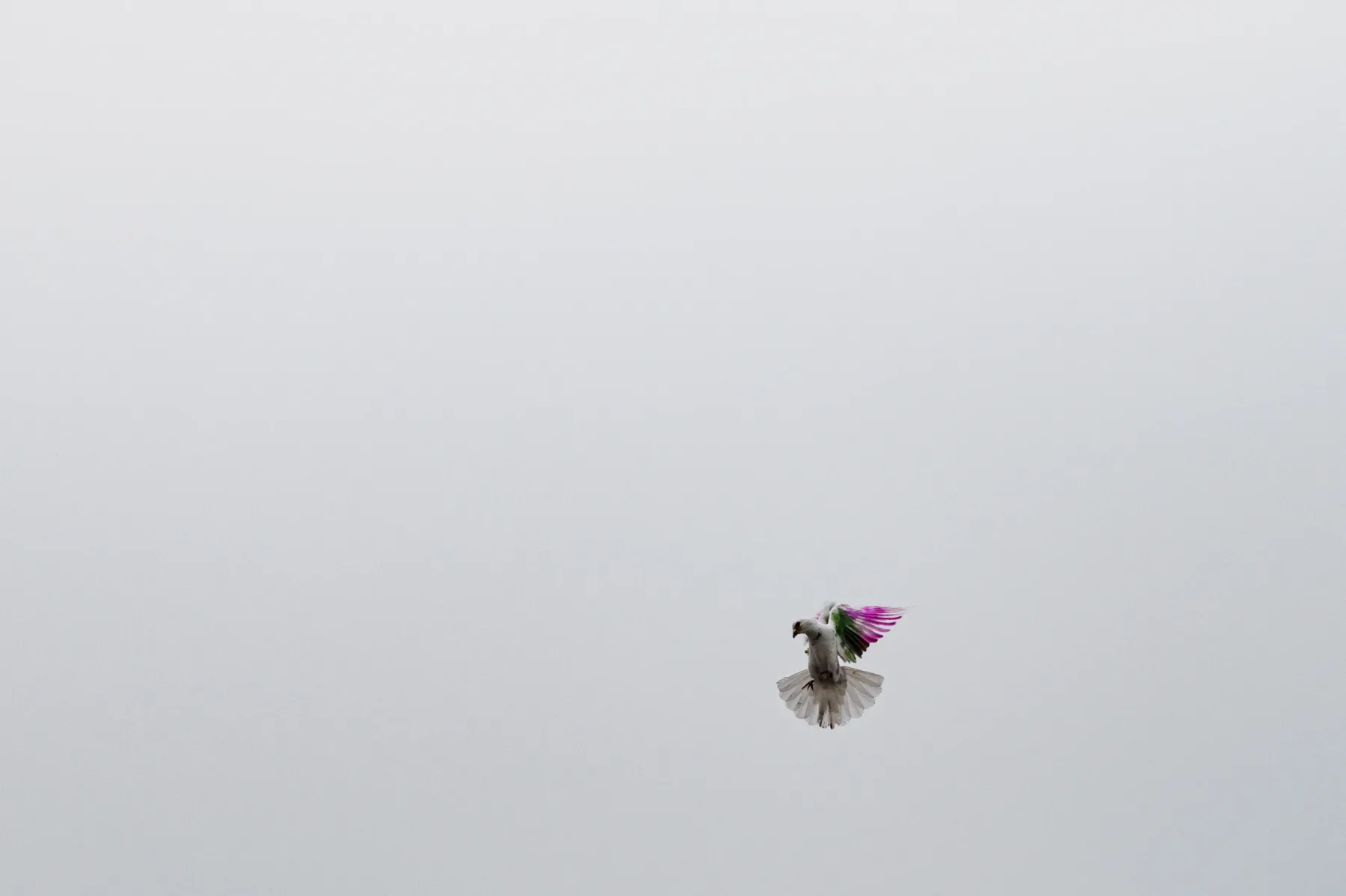
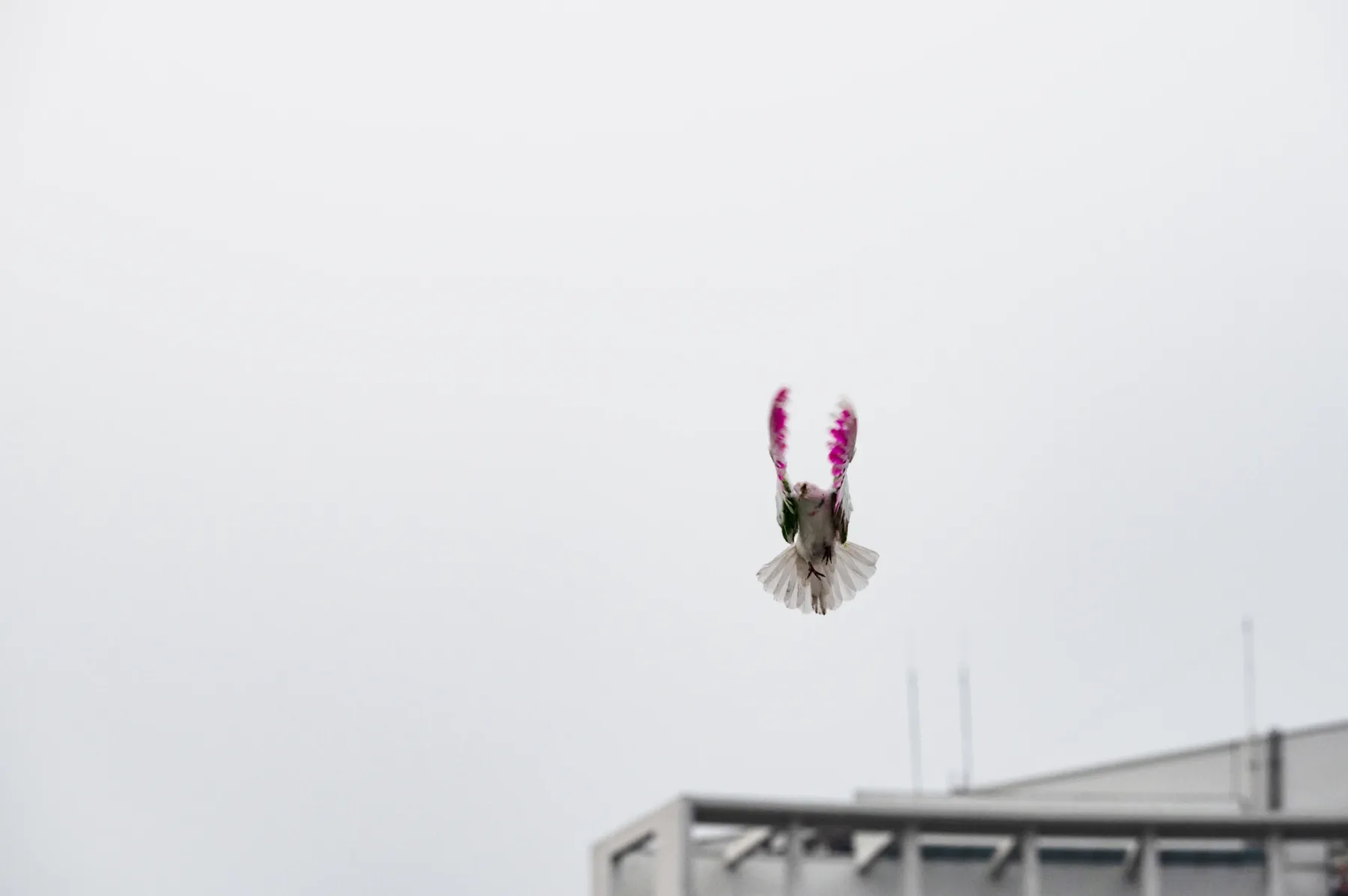
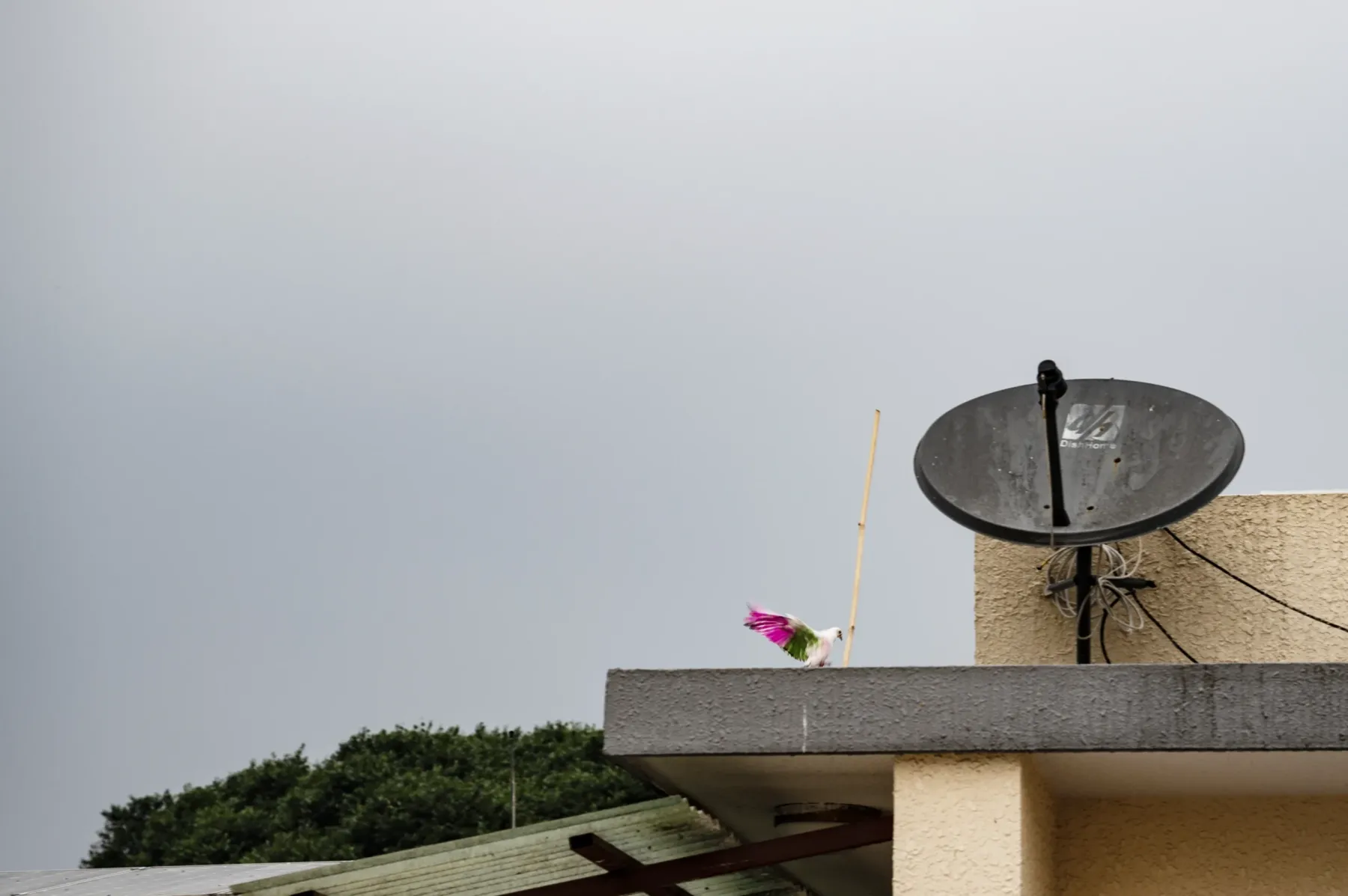
The day before the contest, the handlers prepare the pigeons by spraying bright colours on their bodies to help identify them while they are flying and resting. The colours must be consistent for each participating member.
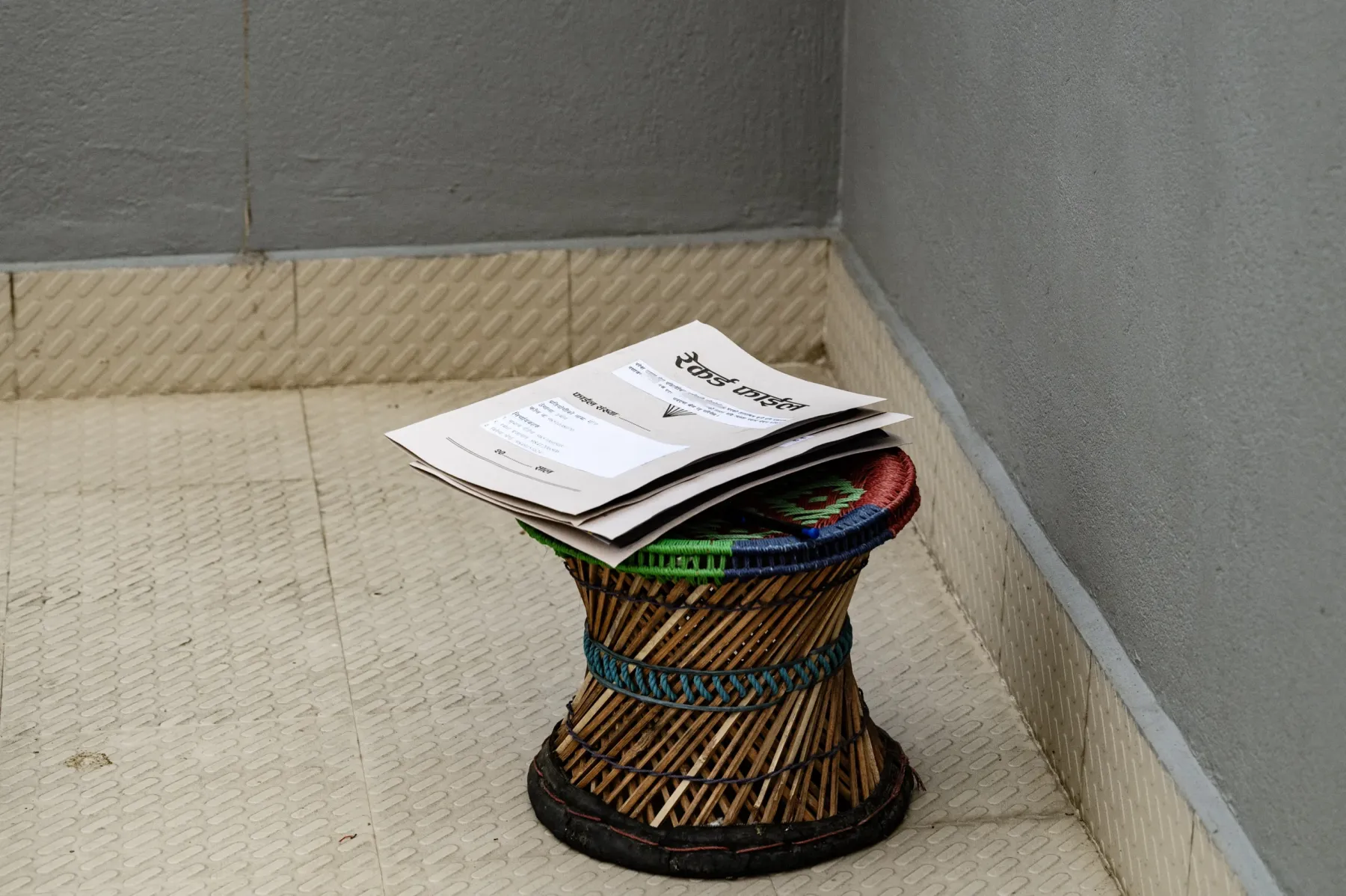
On race day, the handlers band the birds; the starter notes the time of release. Timers record the return to the loft and the time the band is removed. The judges gauge the speed by dividing the flight distance by the time taken to return. The ‘Best Pigeon’ award is given to the pigeon with the highest-flying time during the period of competition. The organisers hold post-competition award ceremonies to felicitate trainers.
High-Flying Competition Day



A Hobby that Gives Direction and Focus
As Ashok scans the skies constantly, waiting for his pigeons to return home. He is certain that they will. He knows that he will also return to Kathmandu next year with his container full of 400-500 Benarasi paans and visit the Pashupatinath Temple before starting his training sessions.
Perhaps this certainty of return draws people towards the remarkable world of homing pigeons and pigeon flying in Nepal. These birds, with their unerring sense of belonging, anchor the constantly restless and directionless modern world. Ashok believes pigeon flying is a good, peaceful hobby for youngsters, as it is better than becoming a wastrel.
Images: Sravasti